Apple Music Hides a Working Virtual iPod for the Device's 25th Birthday
A nostalgic surprise awaits users who encounter broken links on the streaming platform's website today.
By Emma Mehta ·
A hidden digital replica of a 25-year-old gadget is currently embedded in a common error screen on a major streaming platform.
To celebrate the 25th anniversary of the original iPod, the tech giant has placed an interactive easter egg within its Apple Music web interface. The surprise is only revealed when a visitor attempts to load a nonexistent URL and lands on the standard page not found message. Instead of just offering a back button, the site now displays a prompt encouraging users to try a different activity.
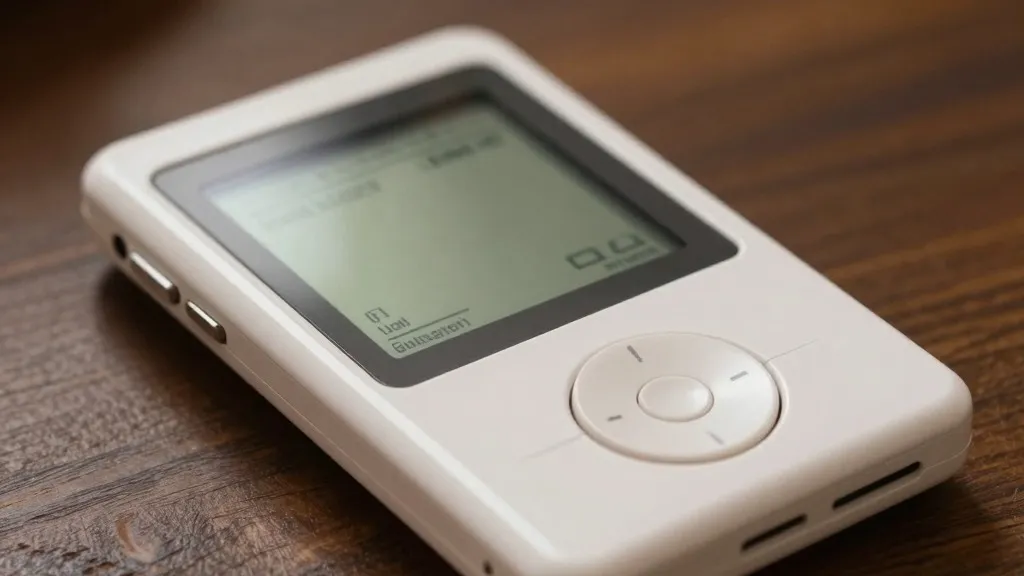
Those who follow the invitation are presented with a fully functional simulation of the classic MP3 player. The virtual device features a library of 1,029 tracks that users can browse and listen to. The interface mirrors the original hardware, including the iconic click wheel and a menu structure organized by playlists, artists, songs, and settings. While the controls respond to input, the experience has some minor glitches. Tech reviewers suggest using a touchscreen device like a smartphone or tablet for the best experience, as the interface can be difficult to navigate on a desktop computer with a mouse.
The music catalog leans heavily into early 2000s pop culture, featuring hits by artists such as Eminem, blink-182, and Baha Men. Users in the United Kingdom have also seen tracks by Daniel Bedingfield, The Fratellis, and Klaxons in their feeds, though it remains unclear if the selection differs for American audiences. To keep the experience brief and nostalgic, playback for any single song is capped at 90 seconds. This limitation ensures the feature serves as a quick tribute rather than a full replacement for the main streaming service.
Enthusiasts have also discovered a deeper layer to the tribute. A hidden game called Brick, which was a secret feature on the very first physical iPod, has been recreated in this virtual version. To access the game, users must hold down the center button on the About screen for several seconds, replicating the exact method required on the original hardware. This detail adds a layer of authenticity for long-time fans who remember the quirks of the early devices.
The virtual player does not appear to require an active subscription to the streaming service to function. This accessibility allows a wider audience to interact with the nostalgic feature without needing a current login. The company has not issued a formal statement explaining the rationale behind the elaborate project. Some observers question why so much development effort was invested in a page that only a small fraction of users will ever encounter.
Despite the niche audience, the feature serves as a significant cultural marker for the industry. The original iPod revolutionized how people carried and consumed music, with its marketing famously touting the ability to hold 1,000 songs in a pocket-sized device. By making this specific number playable in a web browser, the company highlights the technological leap that occurred over the last quarter-century. The exercise acts as a reminder of how far consumer electronics have come since that initial launch.
For now, the easter egg remains a quiet addition to the platform's digital landscape. It is not prominently advertised in main navigation menus or promotional emails. Discovery relies on users stumbling upon a broken link or hearing about it through word of mouth. This approach keeps the experience feeling like a personal discovery rather than a mass-marketed campaign. The feature stands as a low-key but effective homage to one of the most influential products in consumer technology history.
As the tech industry continues to evolve, such tributes offer a moment to reflect on the devices that shaped modern habits. The virtual iPod is a snapshot of a specific era in music consumption. It captures the simplicity and novelty that defined the early days of portable digital audio. For the lucky few who find it, the experience is a brief trip back to a time when loading a new album was a major event. The feature adds a touch of personality to an otherwise standard error page, turning a moment of frustration into a small delight.
Source: Engadget