Gaming Chip Giant's New Toy: Microducks Become Holiday Sensation
A flock of open-source robot ducks demonstrated at a tech conference in Berlin has seen preorders skyrocket to 20,000 units just days after their debut.
By Kateryna Melnyk ·
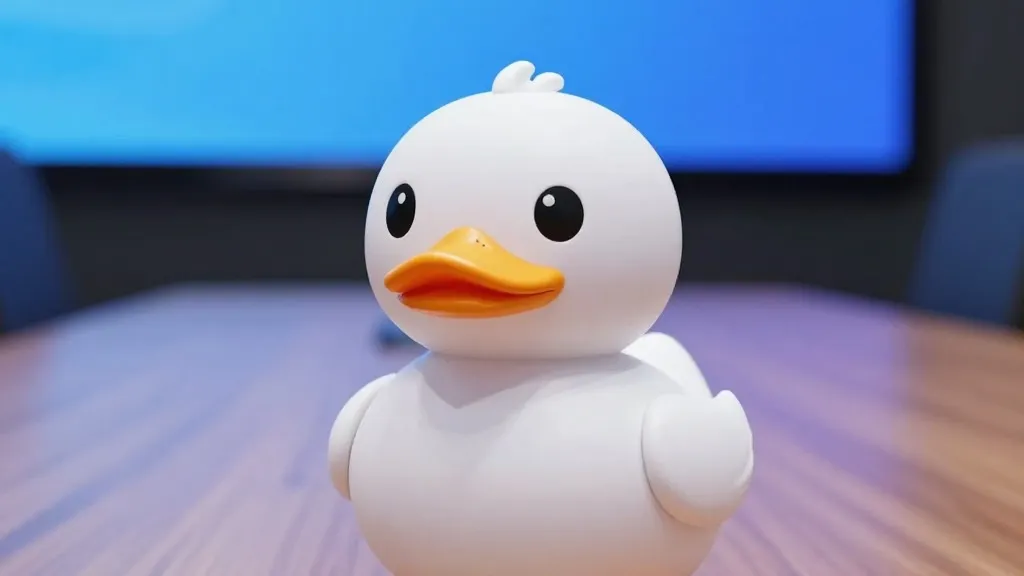
Preorders for a small, open-source robot duck have surged past 20,000 units in just one day, according to Clem Delangue of Hugging Face. The rapid uptake follows a viral video clip from earlier this week that featured Nvidia CEO Jensen Huang interacting with a group of these devices during his keynote address at the GTC Berlin conference. The footage, which showed the robots performing various tricks, quickly captured the internet's attention, driving immediate consumer interest in the gadget.
The Microducks, as they are known, are compact robots designed to mimic the movements of real ducks. In the promotional and live demonstration footage, the devices were seen stomping their feet, emitting small sounds reminiscent of the droid R2-D2 from Star Wars, and executing somersaults upon receiving voice commands. The robots also demonstrated the ability to sit and even fall over to simulate a nap, a feature that contributed to their charming appeal for viewers watching the keynote.
With delivery expected in time for the holiday season, the Microducks are positioning themselves as potential best-sellers for Christmas. Delangue has suggested that these devices could become the top-selling robot of the year. Notably, the marketing materials emphasize that the robots are not exclusively for children, as videos show adults engaging with the devices as well, suggesting a broad appeal across different age groups.
The technology behind the Microducks is the result of a recent corporate restructuring in the tech sector. The robots are produced by Pollen Robotics, a company that was acquired by Hugging Face in 2025. Since Hugging Face was itself purchased by Nvidia in September of this year, the Microducks are now effectively a product of the GPU giant. This marks Hugging Face’s second foray into robotics, following the earlier release of the Reachy Mini, another small, cute robot.
From a technical standpoint, the Microducks are open-source devices, meaning their design and software are accessible to developers and enthusiasts. The robots were trained using Nvidia’s technology stack, which involved using simulations to teach them basic behaviors such as walking, sitting, and standing. These pre-trained tricks are included in the hardware that ships to customers, allowing the devices to function immediately upon setup.
The open-source nature of the Microducks allows for a high degree of customization. According to Pollen Robotics, owners can teach their specific units new tricks and then share these new behaviors with the broader community. This feature aims to create a collaborative ecosystem where users can expand the capabilities of their robots over time, rather than being limited to the initial set of programmed actions.
The launch of the Microducks occurs during a period of intense scrutiny for the artificial intelligence industry. Earlier in the week, the sector faced criticism as AI involvement was linked to a series of cyberattacks. In contrast to the serious concerns surrounding AI security, the Microducks offer a lighter, more playful look at the technology. The combination of cuteness and interactive functionality has made the robots a popular topic of discussion, with many viewers expressing a desire to purchase one after watching the demonstration.
For consumers in California and other regions, the availability of the Microducks adds a new option to the holiday shopping landscape. As a product tied to major tech players like Nvidia and Hugging Face, the robot represents a convergence of enterprise technology and consumer entertainment. The rapid preorder numbers indicate that there is significant demand for accessible, open-source robotics that can serve as both a toy and a platform for creative expression.
Source: TechCrunch