Launch Logistics: SpaceX declines military work as European rivals inch toward flight
While a NASA panel flags complex refueling needs for lunar missions, a Spanish startup confirms its rocket is nearing final assembly and a Canadian firm seeks massive funding.
By Jayden Sweiler ·
The current landscape for commercial spaceflight is defined by shifting alliances and rigorous engineering hurdles, with major players adjusting their strategies in response to technical constraints and funding opportunities. This week brought a series of significant updates that highlight the diverging paths taken by established giants and emerging startups across the Atlantic.
On the commercial side, SpaceX has effectively closed the door on a new stream of government revenue. The company informed the U.S. Space Force that it would not accept three offered military launch contracts. This decision stands out as a notable pause in the typical expansion of defense-related work for the industry leader. Simultaneously, on the civilian front, a NASA safety panel issued a cautionary note regarding the company’s Starship vehicle. The panel indicated that supporting a lunar landing could require as many as 22 refueling operations in orbit, a figure that underscores the logistical complexity of deep-space missions.
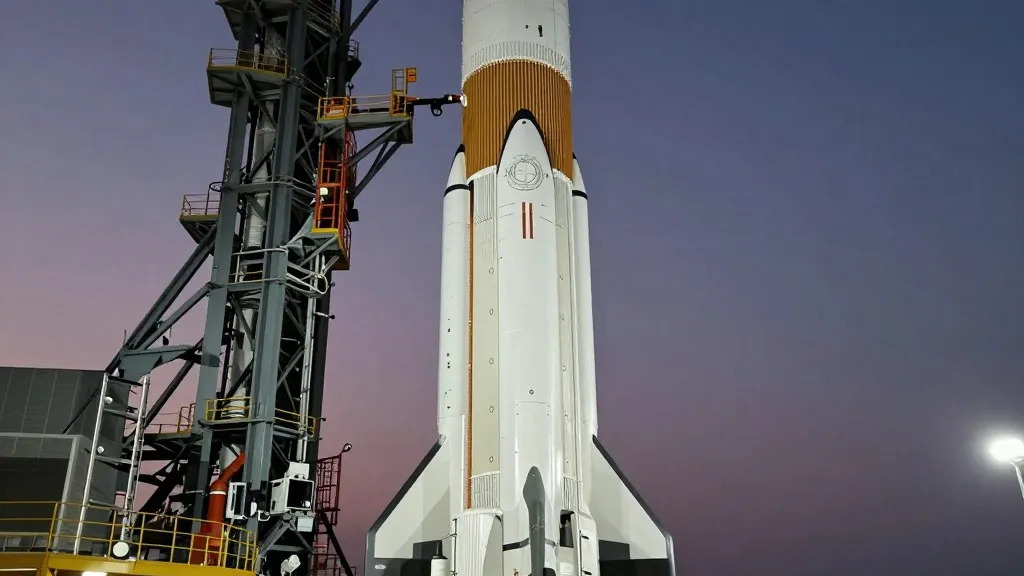
Across the Atlantic, Spain’s PLD Space is moving its Miura 5 rocket closer to its inaugural flight. According to Aviation Week, the vehicle is nearing final integration. CEO Raúl Torres stated on October 19 that the company has already manufactured three Miura 5 rockets. Two of these were dedicated to qualifying key system elements, while the third is intended for the actual launch. Torres noted that building multiple vehicles allowed their teams to apply lessons learned from each qualification campaign directly to the launch vehicle. A second stage is currently fully integrated at the Teruel test facility, where it is undergoing system-level testing under representative operating conditions. This campaign includes a wet dress rehearsal and a static hot-fire test. PLD Space now targets a first flight before mid-2027.
In Canada, Reaction Dynamics is pursuing a significant capital raise to accelerate its growth. The company, one of three prominent Canadian launch startups, is seeking to raise $350 million. This funding would allow the company to expand its staff from 68 to more than 350 employees. Reaction Dynamics is developing the small-lift Aurora rocket, with hopes of reaching orbit in 2028. Additionally, the firm announced plans for a medium-lift rocket named Borealis, targeting a debut by 2031.
The immediate future for these programs depends on successful test campaigns and financial backing. For PLD Space, the upcoming static hot-fire test is a critical milestone before the vehicle can be declared ready for its pre-mid-2027 launch. Meanwhile, Reaction Dynamics must secure the necessary investment to scale its workforce and continue development of both the Aurora and Borealis vehicles. For SpaceX, the decline of the military contracts and the potential need for extensive refueling for Starship suggest a period of internal recalibration before further major deployments.
Source: Ars Technica