London Chefs Open Gulf Branches to Offset High UK Tax Rates
Restaurateur James Robson cites a 20% VAT rate and a stronger work ethic abroad as drivers for expanding Fallow into the region.
By Katherine Barnes ·
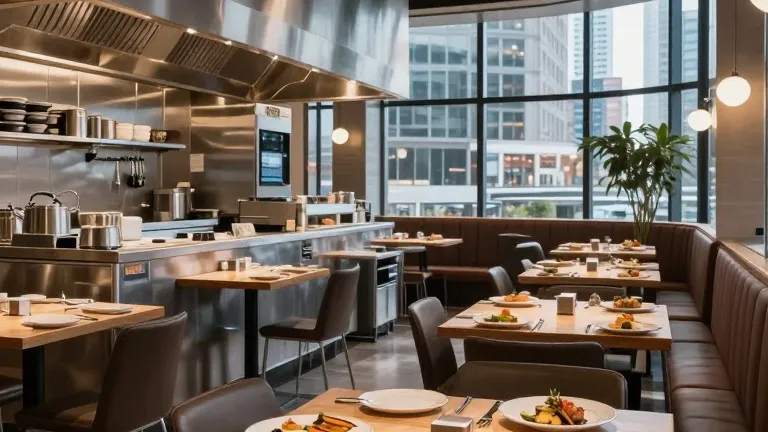
James Robson has signed a deal to open a Gulf outpost for Fallow, a St James's Market restaurant that serves 1,000 diners daily. Robson, who co-owns the venue with his partner, identified a domestic tax burden and a stronger foreign work ethic as the primary motivations for the expansion.
Fallow gained national attention through its social media presence, which includes 650,000 Instagram followers, and its distinctive menu items such as a whole cod's head in spicy butter. The establishment is widely considered one of London's most popular dining spots. This move joins a growing list of high-profile UK brands entering the Middle Eastern market.
Other prominent London establishments have already established a presence in the region. Scott's of Mayfair has opened in Dubai, as have the two Michelin-starred Indian restaurant Gymkhana and the Chinese venue Park Chinois. The Borough Market bakery Bread Ahead has also expanded there, while the Mayfair restaurant Isabel's opened a location in Abu Dhabi.
These openings proceed despite recent geopolitical instability. The US-Israeli war in Iran earlier this year exposed Dubai to bombardment and triggered an exodus of expatriates. Some venues continue to face challenges, with Dinner by Heston closed temporarily since the conflict began. The Michelin guide also faced criticism earlier this month for listing 16 closed restaurants, a result of inspections conducted before the war started.
Robson, speaking from Hong Kong where he is scouting Asian opportunities, identified East Asia, the United States, and the Gulf as key growth areas. He noted that America champions business, the Gulf actively assists companies, and East Asia possesses a work ethic and tax system that contrasts sharply with the UK. He described the UK as having "sleepwalked into multiple anti-growth taxations" over the last two budgets.
Hospitality VAT is the central financial grievance. The UK rate stands at 20%, which is among the highest in Europe, where the average for restaurants is approximately 12%. Italy charges 10% on restaurant food. Chefs are urging Chancellor Andy Burnham to reduce the rate in next week's budget. Robson also pointed to 25% corporation tax and dividend taxes of 40% or more, arguing that the UK growth model no longer offers a sensible balance of risk and reward.
Jason Atherton, a Michelin-starred chef, now spends one-third of his time at his Dubai restaurant, stating it is easier to make a profit there than in London. Robson said he is proud to contribute to the UK deficit but is focusing overseas to play it safe. He does not resent paying UK tax but believes the current environment favors international expansion.
Felix Jakens, director of campaigns at Amnesty International UK, urged caution regarding the region's labor practices. He stated the UAE has a poor record on workers' rights and that its sponsorship system ties migrant workers to employers, exposing them to abuse. Jakens noted that migrant workers make up the majority of the UAE population and are denied the right to form trade unions. He called for proper human rights due diligence to ensure kitchen staff are paid fairly and can raise concerns without fear of losing their visas.
Source: The Guardian
More Business · World news · Watch Your Wallet · Report a business · Got a Story?