State Department pulls staff from seven Middle East posts as Iran threats rise
A memo from the Director of National Intelligence details advanced Iranian plots against US personnel, prompting immediate reductions in diplomatic presence.
By Emma Mehta ·
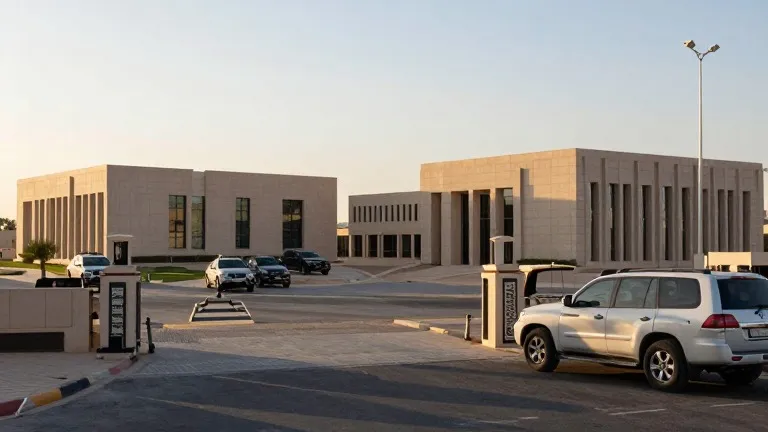
The State Department is withdrawing non-essential personnel from seven US missions in the Middle East following an intelligence warning about advanced Iranian attack plans. The department announced the staff reduction in Saudi Arabia on Wednesday, citing escalating Houthi attacks on local infrastructure. Other reports confirm quiet cuts at embassies in the United Arab Emirates, Bahrain, Kuwait, Qatar, Jordan, and Lebanon. A US official attributed the moves to Houthi strikes and Iranian terror plots targeting American officials.
The action stems from a memo sent by Director of National Intelligence Jay Clayton to Secretary of State Marco Rubio. Clayton stated that US agencies have gathered evidence that Iran has substantially increased efforts to target US personnel overseas. The memo describes lethal plots in the Middle East and other regions as reaching advanced stages. The New York Times reported that threats to ambassadors and other officials were assessed in recent weeks. It also noted that Iran has identified potential targets in Europe and that operatives may already be active within the United States.
Officials told the Times that the threat level for US citizens in the Middle East is now the highest since the US-Israel war on Iran began on February 28. This assessment coincides with reports that Washington and Jerusalem may prepare a new military campaign after next month's mid-term elections. President Donald Trump said on Friday that the US may deploy another "little epic fury," referencing the war's codename. While Washington has not commented publicly on the specific memo, one official confirmed its authenticity to the Times. Another official suggested Iran may lack the capacity to execute all its planned attacks.
Iran has not responded directly to the memo. However, its officials have recently threatened and executed attacks on US and allied bases in the region. The Pentagon confirmed that 21 US military personnel have died in the Middle East since the conflict started. On Wednesday, Hossein Mohebbi, a Revolutionary Guard spokesman, declared that Tehran would adopt an offensive strategy if US attacks resume. He stated that Iran would no longer limit itself to retaliation and that its missiles have improved in quality, range, and power.
Reuters reported that senior Iranian security officials hold detailed plans to target undersea communications cables in the Gulf if new US-Israeli strikes occur. Mohsen Rezaei, Iran's security chief, warned that cables, data centers, and artificial intelligence facilities across the region could be hit if war resumes. These recent developments follow a pattern of long-standing accusations. In March, a US court convicted a Pakistani national of plotting to assassinate President Trump on Revolutionary Guard orders. In 2022, a Guard member was charged with arranging the killing of John Bolton for a reported $300,000 fee.
US authorities recently pulled bombers from an airbase in England due to fears of a possible attack. That move followed a security incident where UK authorities arrested several men suspected of working with Iranian intelligence. The latest staff reductions in the Middle East reflect a continued effort to minimize American exposure as regional tensions escalate.
The State Department will continue to monitor the situation as the mid-term elections approach. No further announcements regarding the timing of staff returns have been made.
Source: Al Jazeera