120 seats, 3.25 percent: The math deciding Israel's next government
Voters cast ballots for 15 lists today, but only parties clearing the 3.25 percent electoral threshold will secure representation in the Knesset.
By Emma Mehta ·

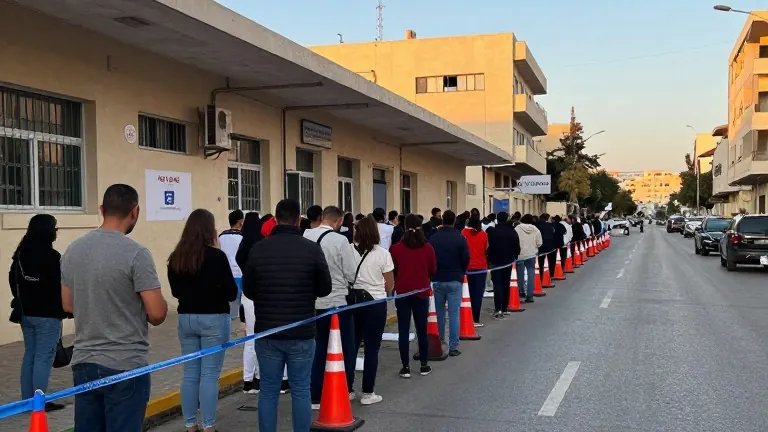
The number 3.25 percent will determine the composition of Israel's next legislature. That is the electoral threshold required for a party list to win any of the 120 seats in the Knesset. Voters in Israel cast their ballots today to elect the country's new parliament. Fifteen distinct lists are competing for those seats. The outcome depends on how many parties clear that specific cutoff.
The race is divided into two main blocs. Prime Minister Benjamin Netanyahu leads the right-wing coalition. His Likud party, a right-wing group emphasizing national security and Jewish nationalism, heads this bloc. The coalition also includes Otzma Yehudit, led by National Security Minister Itamar Ben-Gvir. That far-right party advocates for expanded Jewish settlements and tougher law enforcement. Finance Minister Bezalel Smotrich leads the Religious Zionist Party-Zehut, which is part of the sitting coalition. His list supports applying Israeli sovereignty over the West Bank and advancing judicial reform. The ultra-Orthodox parties Shas and United Torah Judaism also join Netanyahu's bloc. Both groups prioritize maintaining exemptions from military service for yeshiva students.
The opposition bloc is led by former IDF chief of staff Gadi Eisenkot. His centrist party, Yashar, focuses on government reform and replacing Netanyahu. Former prime minister Naftali Bennett runs the centrist B’Yachad list. His platform includes economic growth and the enlistment of haredi men in the IDF. Yair Golan leads the left-wing, Zionist Democrats list, which emphasizes civil rights and equality in military service. Avigdor Liberman heads Yisrael Beytenu, a secular nationalist party focused on reducing religious influence in government. The bloc also includes the Joint List and Ra’am, which represent different strands of Arab Israeli politics. The Joint List focuses on equality and Palestinian national rights, while Ra’am, led by Mansour Abbas, prioritizes crime reduction and community funding.
Three parties hover near the 3.25 percent line, making their results critical to the final balance of power. Ofer Winter leads the right-wing People of Israel party. The list supports Netanyahu for prime minister but demands new leadership outside the political establishment. It makes haredi enlistment a condition for joining a government and advocates for voluntary emigration from Gaza. Yoaz Hendel and economist Yaron Zelekha lead the Reservists-Economic Party. This group combines a right-leaning security agenda with economic reform demands. The party states it will join only a Zionist government and requires a universal conscription law before a government is formed. Moti Leitner leads the Haredi Public Party, which seeks to offer an alternative to Shas and United Torah Judaism. His list supports broader haredi military service and core-curriculum studies including math and English.
Recent polls show the People of Israel party and the Reservists-Economic Party fluctuating around the threshold. Their final vote share could shift the balance between the political blocs. The ballot letters for these three groups are ך, די, and זך, respectively. Other parties on the ballot include Likud (מחל), Yashar (דרך), B’Yachad (רק), the Democrats (אמת), Yisrael Beytenu (ל), Otzma Yehudit (ב), the Joint List (ודם), Ra’am (עמ), Shas (שס), United Torah Judaism (ג), and RZP-Zehut (ט).
The election is a snap vote to choose the next Knesset members. The 3.25 percent cutoff acts as a gatekeeper for parliamentary representation. Parties that fall below this mark will leave their supporters without direct seats in the legislature. The final tally will determine which parties have enough leverage to form a working majority.
Source: The Jerusalem Post