Brazil's Service Economy Shifts Presidential Race
Factory closures in Osasco and high abstention rates are driving voters from Lula to Flávio Bolsonaro in Sunday's runoff.
By Imani Donovan ·
Brazilian voters head to the polls Sunday for a presidential runoff that is being defined by the country's rapid shift from manufacturing to service jobs. The race pits incumbent President Luiz Inácio Lula da Silva against right-wing candidate Flávio Bolsonaro, who won the first-round vote earlier this month. Every candidate who has won the first round since 1989 has gone on to become president.
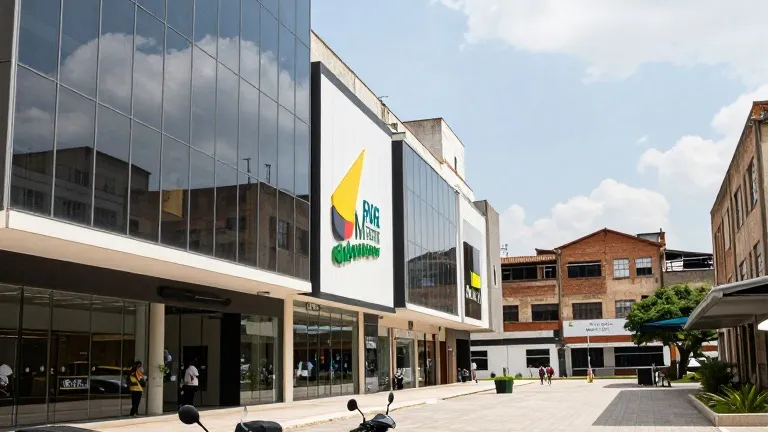
The economic transformation is visible in Osasco, a suburb of São Paulo. Once an industrial hub, the city has lost its metal, chemical, and textile factories. Those plants have been replaced by shopping malls and delivery app companies. Gilberto Almazan, a local metalworkers' union leader, noted that five malls were built after the factories disappeared. He described the traditional union movement as stuck in the Middle Ages and said the working class is no longer primarily industrial.
Many Brazilians now work as drivers, couriers, or small traders. Almazan called this trend Uber-isation, arguing these workers value flexibility over the collective action Lula has historically promoted. Richard Lapper, a biographer of both candidates, stated that Brazil industrialized late and deindustrialized early. He labeled Lula a victim of his own success, pointing to a crisis of expectations despite record-low unemployment and removal from the UN Hunger Map.
Voters are expressing frustration with high prices and household debt. Robson, a 53-year-old civil servant, blamed the government for a heavy tax burden. Tairine, a hot dog seller, said she is switching to Bolsonaro because she feels nothing has changed. Flávio Bolsonaro has proposed cutting government spending and ministries while keeping some welfare programs. He faces corruption accusations that he denies. In the first round, 33 million people abstained, the highest number since 1998.
Lula’s campaign is mobilizing large street rallies, with one event in São Paulo drawing about a million people. The 80-year-old president has also used social media to counter age-related criticisms. In Maré, a Rio de Janeiro favela, Lula retained support among the poorest residents. Vitoria, an 18-year-old mother, praised his minimum wage increases and free medicines. She expressed fear over Bolsonaro's plan to designate the Comando Vermelho gang a terrorist organization, citing police raids that killed more than 130 people last year.
Evangelical churches are playing a larger role in social services, filling gaps in childcare and food distribution. Pastor Silas Malafaia, who is under investigation for allegedly obstructing his father's coup trial, said Flávio Bolsonaro shares the church's values on family and abortion. Almazan fears there will never be another Lula, leaving the outcome dependent on whether voters believe the incumbent can offer a new economic story.
Source: BBC News