Día de Muertos Altars Call for Water, Salt, Candles as La Granja VIP Contestants Prepare Offerings
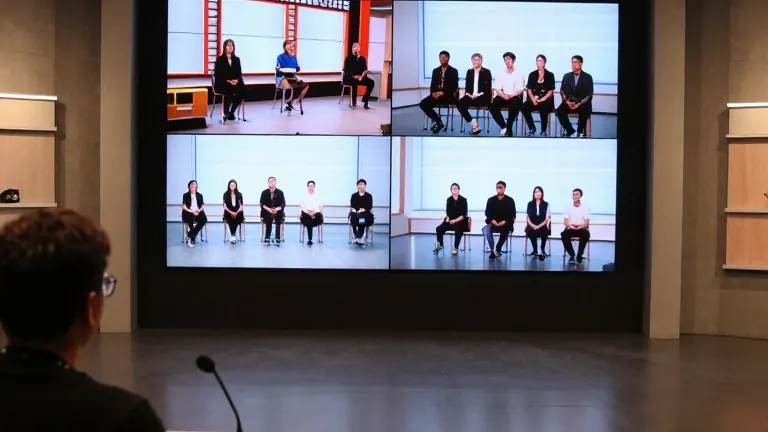
Mario "Mono" Osuna announced the activity for Los Granjeros, who are assembling altars with items traditional to Mexico's Día de Muertos observance.
By Emma Mehta ·
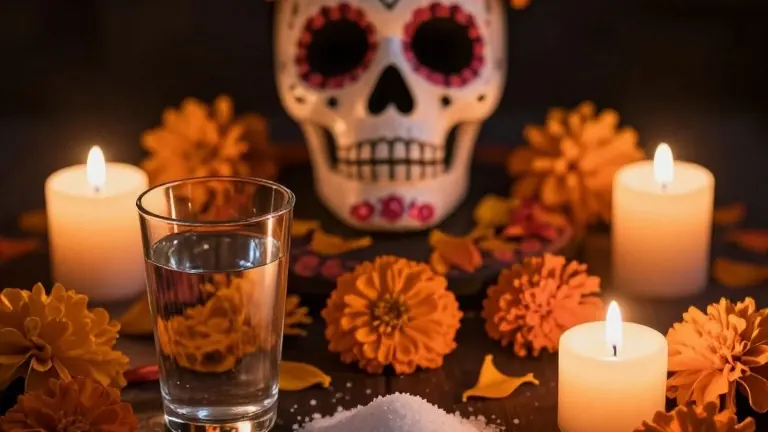
Mexican tradition prescribes at least three elements on a Día de Muertos altar: water, salt and candles. Mario "Mono" Osuna announced the offering-building task for Los Granjeros de La Granja VIP, the participants who assemble the altars for the celebration.
Water stands first. Conagua, Mexico's national water commission, says it is served in glasses or vessels because souls finish a long journey to the homes where relatives wait, and need to quench their thirst. The INPI adds that water also restores strength for the return trip. In some regions, water is tied to purity of the soul; placing it is a symbolic way of receiving those who come back to find their loved ones.
Salt follows. Conagua explains its purpose is purification, positioned so the body does not decay during the round trip. Mexico's Secretaría de Cultura also connects salt with purity, saying it accompanies the journey of the dead and forms part of the preparations families make to honor their memory.
Candles complete the set. Tradition treats their flame as a guide so souls can find the route back to the places where they lived and where they are remembered. The INPI describes a specific arrangement: four candles placed to form a cross, standing for the four cardinal points, which symbolically helps the deceased orient toward home.
Altars are not uniform across Mexico. The placement of objects and the customs surrounding an altar change from one region to another, and from one household to another, even though certain elements appear in many of them.
Source: XHJK-TDT