Florida Voters Face $200,000 Tax Cut Choice
A proposed amendment would exempt up to $250,000 in home values from property taxes, a move critics say could cost local governments billions in revenue.
By Emma Mehta ·
Florida voters will decide on November 3 whether to pass Amendment 3, a measure that would raise the homestead property tax exemption from $50,000 to $250,000. The proposal requires a 60 percent supermajority to pass. If approved, the change would remove nearly $12 billion in recurring revenue from local government budgets across the state.
Local property tax collections have surged in recent years. According to the governor's office, revenue rose from approximately $32 billion in 2019 to nearly $60 billion in the last fiscal year. This increase followed a post-pandemic real estate boom driven by new residents and low interest rates.
Supporters argue the tax cut is necessary for homeowners facing rising costs. Ron DeSantis, the Florida governor, and the Florida Realtors trade association back the measure. Margy Grant, CEO of Florida Realtors, said the group has spent $19.5 million on its campaign to pass the amendment. "Homeowners have funded the incredible increase in revenue that is now at record growth," Grant said. She added that the relief keeps money in residents' pockets.
Critics warn that local governments rely heavily on property taxes to fund public services. Since Florida does not have a state income tax or estate tax, local officials have limited other revenue sources. Steven Johnson, an organizer with the nonprofit Florida Rising, said members ask, "affordability? For who?" He argues that cutting revenue will force cuts to infrastructure and safety nets.
In Jacksonville, the potential impact is severe. A Florida Policy Institute analysis estimates the city could lose up to $372 million over the next five years. Mike Weinstein, Jacksonville's chief administrative officer, noted that half of the city's $2 billion budget comes from property taxes. "Mosquito control, road surfacing, libraries, parks, all will be affected," Weinstein said. He suggested the city might need to create a large complaints department to handle service reductions.
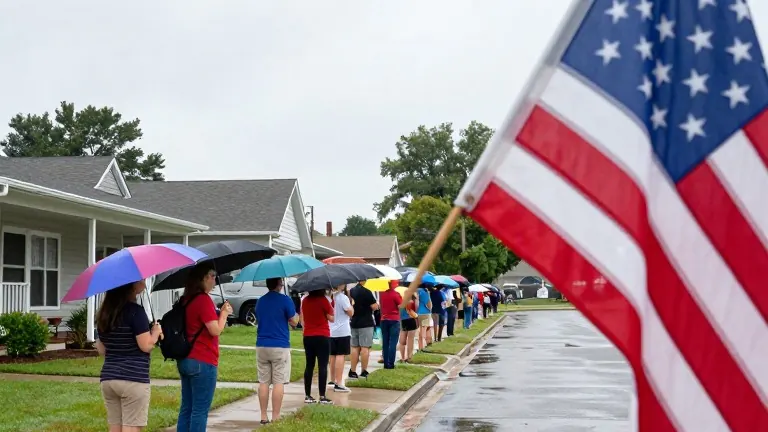
Rachel Dues, a 54-year-old disabled veteran and notary, is actively campaigning against the measure. Dues rents her home and relies on food pantries and utility assistance programs. She pushed her injured niece, Rochelle Covington, in a wheelchair to a polling location in Jacksonville. "You're gonna get in there. I don't care how," Dues said. She believes the amendment is a bait and switch that may benefit some homeowners in the short term while harming renters and those who rely on city services in the long run.
Maggie Fernandez, 68, is a homeowner who might see a tax bill reduction. However, she spent the nights before the election making phone calls to urge neighbors to vote no. "Sure, I might see some relief in taxes," Fernandez said. "But overall this is going to hurt local services. It's going to hurt people who are worse off than we are." Volunteers from Florida Rising made nearly 1,500 calls in one evening to spread the message.
The Florida Sheriffs Association has warned that emergency services could suffer if funding drops. Proponents, including Senator Rick Scott, argue that counties have waste to cut and that essential services will remain. Scott wrote on X that the amendment would force local governments to eliminate waste. Weinstein countered that the amendment was rushed without a full understanding of its consequences.
The amendment limits which homeowners qualify for the increased exemption based on when they purchased their property. This means not all homeowners will see a tax cut. Renters and business owners may face indirect costs if landlords or commercial entities pass on higher expenses. Dues continues to make calls and visit food banks, preparing for a future where local assistance programs may be reduced or eliminated.
Source: KPBS