iPhone Duo Sidebar Reduces Usable Space on Small Cover Screen
The fixed dock consumes 15 percent of the 5.4-inch display, a design choice that contrasts sharply with the flexible interface of the Galaxy Z Fold 8.
By Katherine Barnes ·
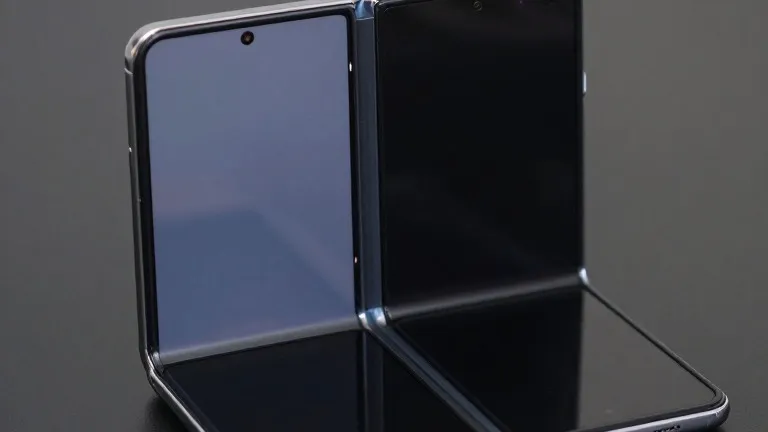
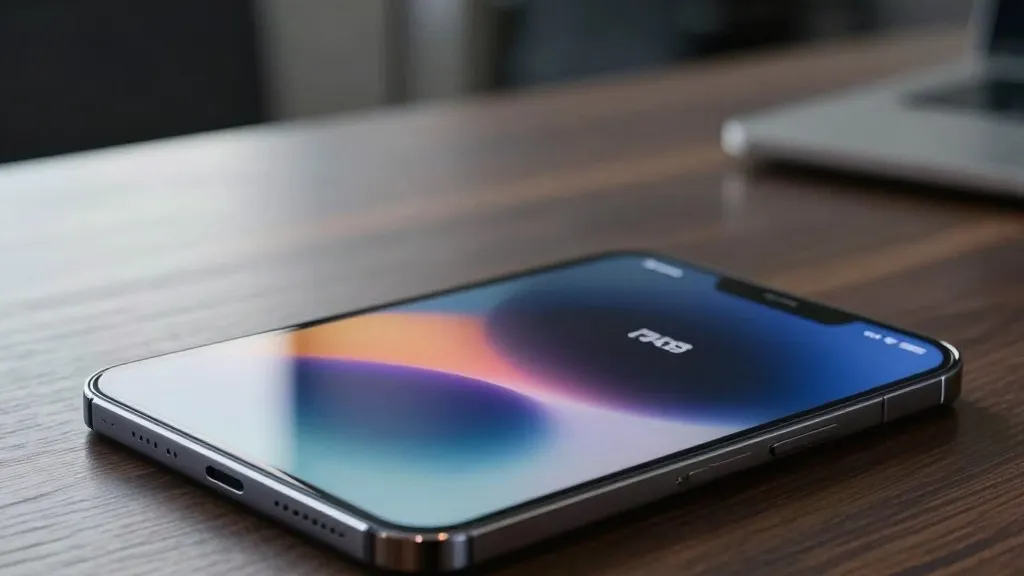
Apple’s iPhone Duo features a permanent sidebar on its 5.4-inch cover display that occupies roughly 15 percent of the screen area. This fixed dock sits on the right side of the panel, leaving a substantial portion of the display unused for primary content. The design choice aims to streamline navigation but reduces the effective canvas available for users on the smaller outer screen.
Allison Johnson of The Verge noted that the iPhone Duo feels harder to handle with one hand than its competitor. She observed that the device’s physical dimensions make the cover screen less intuitive to navigate compared to the Samsung Galaxy Z Fold 8. The Z Fold 8 has a taller and narrower profile, which allows users to access the outer display more easily with a single grip.
A comparison of the two devices reveals a distinct difference in screen utilization. On the iPhone Duo, the mandatory sidebar creates a large blank space next to the active content. In contrast, the Galaxy Z Fold 8 can operate with a gesture-based navigation system that leaves almost no wasted space on the cover display. When the Z Fold 8 is set to use a traditional navigation bar, the difference becomes less apparent, but the gesture mode maximizes the usable area.
Apple’s approach involves shrinking the available space to stretch media vertically, mimicking the aspect ratio of a standard slab phone. Samsung’s implementation allows the main content to fill the available space without forcing a vertical stretch. This method preserves the native aspect ratio of apps and videos on the cover screen.
The iPhone Duo is currently available to consumers, though its distribution remains limited. The Galaxy Z Fold 8 continues to be sold in wider availability. Both devices represent the latest iterations of the foldable smartphone form factor, each with different philosophies for managing the smaller external display.
Source: 9to5Google