Fort Bend County: Tesla Secures 35-Year Tax Deal
Commissioners voted 4-0 to waive equipment taxes for a proposed $10 billion solar plant, a package that could save the county $2 billion in revenue over four decades.
By Imani Donovan ·
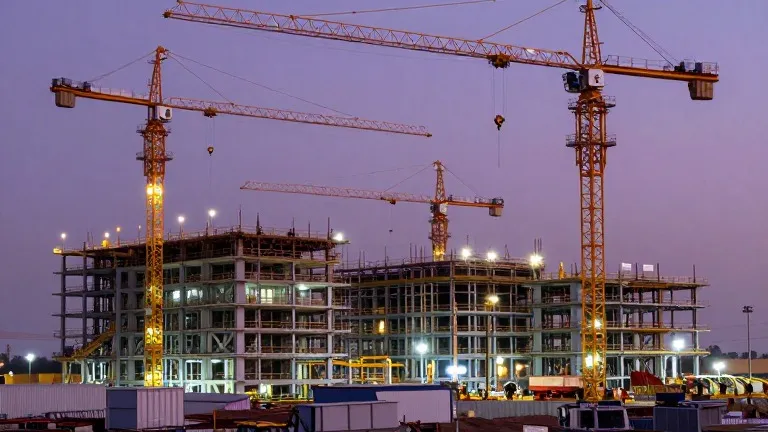
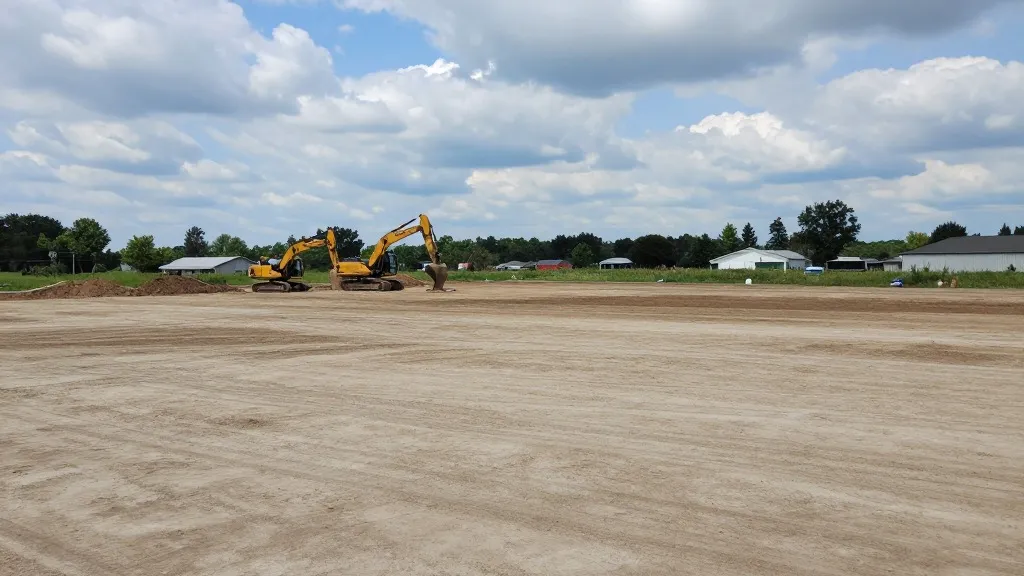
Fort Bend County commissioners voted 4-0 on Thursday to approve a tax package that could shield Tesla from local equipment taxes for up to 35 years. The agreement covers a proposed $10 billion solar manufacturing facility located near Richmond, southwest of Houston. The county board authorized four distinct agreements to facilitate the development, marking a major financial commitment for the region despite the project still being in the proposal stage.
The financial structure of the deal is complex and lengthy. For the first 10 tax years, the Chapter 312 abatement waives 100% of county property taxes on equipment and tangible personal property. Tesla’s filing categorizes the $10.1 billion investment as $1.52 billion in real property and $8.6 billion in personal property. Land and buildings remain fully taxable. After the initial abatement period, the county collects taxes on equipment but returns 90% of that amount to Tesla as an annual grant for 20 years. The county retains only 10% for its general fund.
The timeline of the agreement depends on Tesla’s workforce size. If the company maintains an average of at least 12,000 employees for two consecutive years during the first decade, the rebate period extends to 25 years. This extension pushes the total duration of the deal to 35 years. The 12,000-employee threshold is 2,288 higher than the 9,712 jobs Tesla projects for the site. If Tesla reaches 90% of the target headcount, it still receives the full abatement.
Key figures in the county government participated in the decision. Interim County Judge Daniel Wong abstained from the vote because his engineering firm has previously worked with Tesla. The remaining four commissioners cast affirmative votes. Tesla’s application notes that the Fort Bend site is "not competitive" with an unnamed location in another state that lacks similar tax limitations and abatements.
To retain these benefits, Tesla must meet strict deadlines and investment milestones. Construction must begin by June 30, 2027. Regular commercial production of solar cells must start by December 31, 2030. The full $10 billion investment must be completed by the later of the end of 2031 or two years after production begins. The company projects job growth from 2,500 to 9,712 by the fourth year, with an average wage of $55 per hour.
Penalties for missing these targets are limited. If Tesla misses a jobs or wage target for one year, it loses that year's tax break. Two consecutive misses allow the county to terminate the agreement. Full recapture of taxes applies only to material defaults, such as failing to invest the full amount or abandoning the plant for 12 months. Grants already paid out cannot be reclaimed for headcount shortfalls.
Consultant Kroll estimated that without these incentives, the project would pay $276.5 million in Fort Bend general taxes over 38 years. The annual tax peak would reach $16.2 million in 2030. The state must still approve the school-tax portion of the deal, which Tesla initially sought under the JETI program. The Lamar school district already approved that specific component in September.
Source: Electrek
More Business · Tech news · Watch Your Wallet · Report a business · Got a Story?