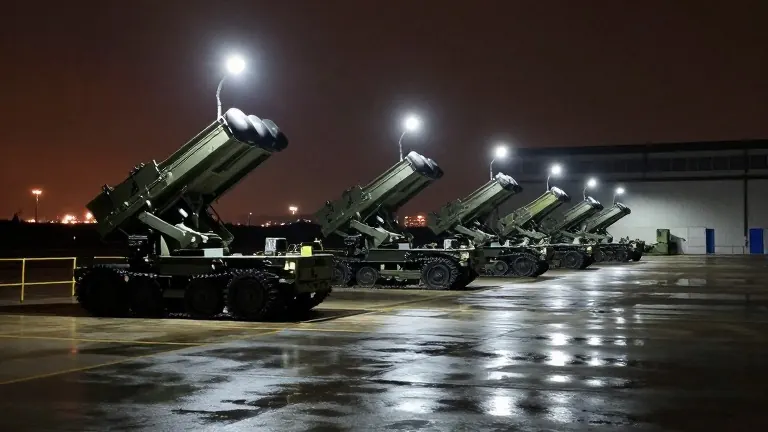
Lula's Win Removes Brazil From Trump's Hemisphere Coalition
The left-wing leader's re-election complicates US plans to secure rare earth minerals and expand its anti-narcotics alliance in the region.
By Emma Mehta ·
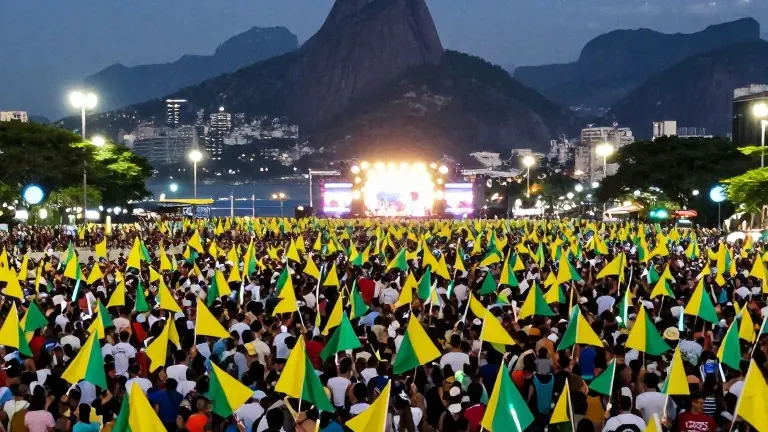
Brazil has dropped out of President Donald Trump's expanding Western Hemisphere alliance following the re-election of Luiz Inacio Lula da Silva. The result removes the world's largest South American economy from a coalition Trump intended to use to assert US dominance in the region.
Lula declared in his victory speech that Brazil would not accept being anyone's backyard, a message directed at Washington. His campaign leaned heavily into a narrative of national sovereignty against US interference, a theme that resonated with voters and helped secure his mandate for another four years.
Trump initially reacted with mixed signals. He stated that he liked Lula and that they got along well, while also claiming he did not take sides. He later described the election as terrible and rigged, despite the Supreme Electoral Court finding no evidence of irregularities.
The tension stems from Trump's Donroe Doctrine, a strategy to leverage right-wing allies in Latin America to project US power. Countries including Ecuador, Chile, Colombia, Argentina, and Peru have elected leaders aligned with this approach. Brazil was viewed as the final and most valuable target for this coalition.
Christopher Sabatini, a senior fellow at Chatham House, noted that Trump considered Brazil the tenth and biggest prize in the hemisphere. The nation holds the second-largest reserves of rare earth minerals globally, behind only China, and the US had sought preferential access to these resources.
Lula's opponent, Flavio Bolsonaro, refused to recognize the election results. The younger Bolsonaro had been expected to join the US-led Shield of Americas coalition, a group focused on combating narco-trafficking. His defeat leaves a gap in the US strategy for regional security and trade.
The friction between the two nations escalated in 2026. Brazil accused the US of attempting to undermine its electoral system and denied visas to two State Department officials. The US responded by calling the move baseless and revoking the Brazilian ambassador's visa.
Trade policy also strained the relationship. Trump imposed punitive tariffs on Brazil earlier in the year, a move Lula linked to the political fallout from Jair Bolsonaro's coup trial. The US later reduced the tariffs, though they have since increased again. Lula's stance helped boost his approval ratings as he accused the Bolsonaro family of prioritizing US interests over Brazilian ones.
Lula has also opposed recent US military actions in the region, including the seizure of Nicolas Maduro in Venezuela and the bombing of vessels suspected of drug trafficking. He criticized Washington for designating two major Brazilian gangs as terrorist organizations, a move he said threatened national sovereignty.
The US remains Brazil's second-largest trading partner after China. The two leaders met in the Oval Office earlier in the year, with Trump describing the talks as very good and Lula saying he left very satisfied. The future of the relationship will depend on whether Trump continues to question the election's legitimacy and how aggressively Lula defends Brazilian policy.
Source: BBC News