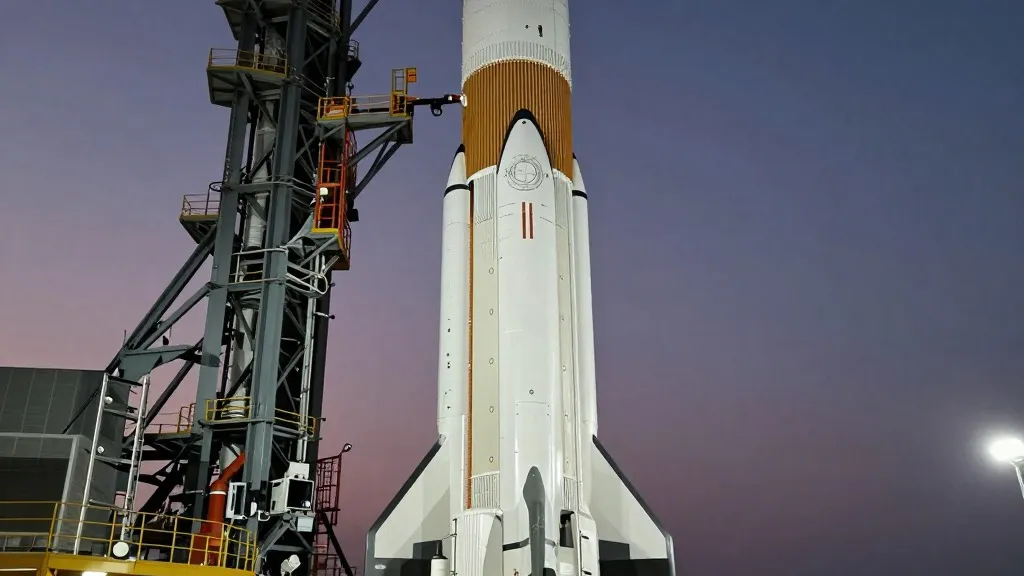
NASA reveals it needs 22 rocket flights for a moon trip
A new safety panel estimate shows the lunar lander requires significantly more refueling launches than previously hinted at by agency officials.
By Emma Mehta ·
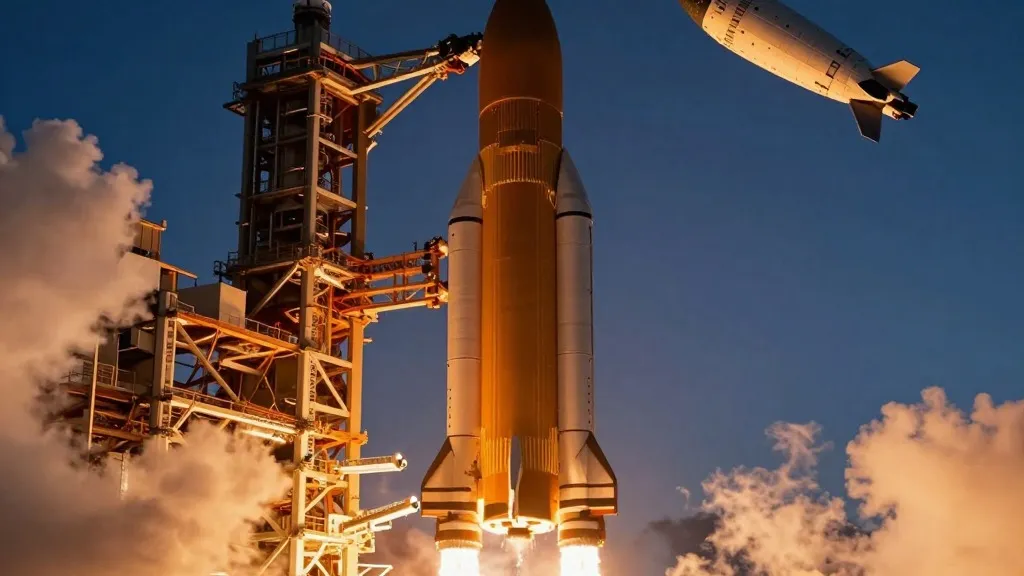
The number is twenty-two. That is the latest estimate for how many times SpaceX must launch its Starship rocket to fill up a lunar lander in orbit. This specific figure has become the most guarded statistic in NASA’s Artemis program, treated with a level of secrecy usually reserved for nuclear codes rather than space travel logistics.
For years, agency officials have danced around this metric. The core question involves how many tanker flights are needed to load a depot Starship with liquid oxygen and methane. This fuel is required for the lander to fly to the Moon, touch down on the surface, and then return to lunar orbit. Without that precise number, it is impossible to accurately plan the schedule for returning humans to the lunar surface.
The timeline of these estimates shows a steady climb in expected costs. In 2023, Lisa Watson-Morgan, then the director of NASA’s Human Landing System, told reporters that the agency had a general idea but was reluctant to share exact details. She later described the requirement as being in the high single digits to low double digits. That suggestion implied roughly a dozen launches, which already represented a significant logistical challenge for SpaceX.
Other officials have pushed that estimate even higher, citing figures in the high teens. The underlying hope for years was that SpaceX would dramatically improve the lift capacity of the Starship vehicle. A more powerful rocket would mean each tanker flight carries more propellant, thereby reducing the total number of flights needed to complete the mission. However, that improvement has not materialized quickly enough to satisfy some internal timelines.
Concerns have grown among certain NASA officials that these performance gains are not arriving soon enough. They worry that this delay could prevent Starship from playing a meaningful role in the agency's goal of landing astronauts on the Moon this decade. The reliance on a specific number of flights makes the project vulnerable to any setbacks in the rocket's development or operational readiness.
The new estimate emerged during a quarterly meeting held on Thursday by the NASA Aerospace Safety Advisory Panel. The group focuses on identifying risks associated with major space programs. During the session, panel member Charlie Precourt, a former NASA astronaut, discussed the specific dangers tied to the Artemis program and the mechanics of landing humans on the Moon.
The shift to a higher number reflects the complex reality of orbital logistics. Each launch must be perfect to avoid wasting the propellant that has already been delivered. If the lift capacity does not improve, the agency faces a longer and more complex sequence of events before a crewed mission can begin. This adds layers of risk to an already ambitious endeavor.
What happens next will depend on whether SpaceX can demonstrate the increased payload capacity that NASA has been waiting for. Until then, the agency must plan around the assumption that it needs a massive fleet of tanker flights to make a lunar landing possible. The number twenty-two stands as a stark reminder of the engineering challenges that remain between Earth and the Moon.
Source: Ars Technica · original report published