Oil prices drive fuel costs up $36 for Australian drivers
Treasury officials are cutting growth projections as the Middle East conflict pushes global benchmarks toward their April high.
By Emma Mehta ·
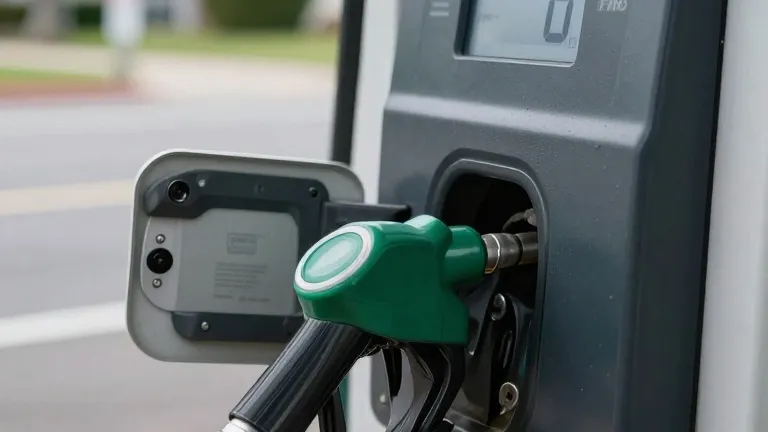
Australian drivers are facing a $36 increase in the cost of filling a standard 60-litre fuel tank. This jump represents a 60-cent rise per litre compared to prices before the United States and Israel launched attacks on Iran. For households that fill their tanks every week, this adds $144 to their monthly expenses relative to February levels.
The surge is driven by a widening conflict in the Middle East that has pushed global oil markets to near-record levels. The international benchmark price reached $113 per barrel overnight. This figure sits close to the peak of nearly $120 seen in April. Treasury officials are now adjusting their economic forecasts downward in response to these rising energy costs.
Finance Minister Jim Chalmers acknowledged the changing outlook in a speech last week. He initially described the economy as looking a bit better in a year. By Friday, however, he admitted that slower growth and higher unemployment are now expected. These changes will be formalized in the December mid-year budget update.
Risks remain high as analysts point to potential further escalation. The New York Times reported that the US and Israel have drafted plans to resume attacks after American midterm elections. Westpac analysts outlined a scenario where oil prices could climb toward $150. This projection echoes warnings issued by the International Monetary Fund earlier this month.
Such an outcome would impact inflation and interest rates. A fifth rate rise is possible on 3 November. Reserve Bank Governor Andrew Hauser described the current mix of high inflation, low growth, and rising unemployment as a nightmare for central bankers. He called the environment a world of hard choices.
Global factors are complicating domestic policy. Heavy spending on artificial infrastructure has masked other economic weaknesses, but investors are now worried about rising corporate debt. This anxiety caused a steep sell-off on Wall Street overnight. Community opposition to datacentre construction may also slow the industry's expansion, adding to short-term economic stress.
Chalmers noted that some causes of the economic squeeze lie beyond Canberra's control. He told Politico that the government is hostage to decisions made in Washington, Tehran, and Eastern Europe. Those regions are currently involved in two wars that are pushing up inflation and weighing on global growth.
Domestic conditions offer limited relief. High government spending works against the fight against inflation, a point the opposition frequently raises. Productivity growth is stagnating, which means the economy reaches its speed limit sooner. This dynamic allows inflation to run higher at lower rates of growth.
The government faces difficult trade-offs in its response. It could temporarily cut the fuel excise tax to lower petrol prices. However, the billions of dollars this would return to drivers would make it harder for the Reserve Bank to control inflation. Alternatively, Labor could announce large spending cuts in the December update. That move would help the central bank but would weigh on an already weak economy and likely push unemployment higher.
Chalmers remains in need of a public win amid growing unpopularity. He stated that the pressures on people are substantial and keep him awake at night. His options for easing voter discontent are constrained by the need to manage the budget responsibly while dealing with external shocks.
Source: The Guardian
More Business · World news · Watch Your Wallet · Report a business · Got a Story?