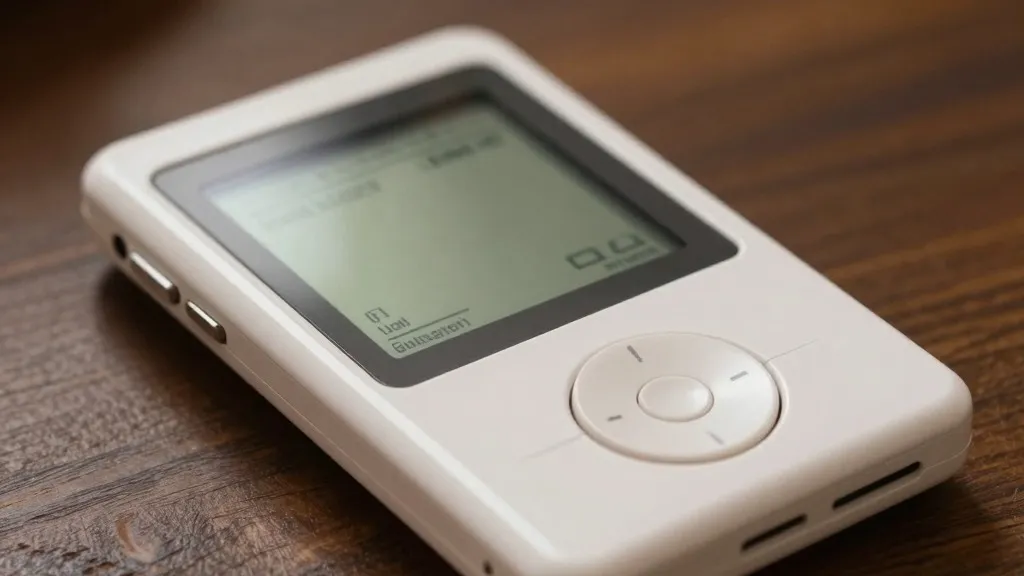
Optimus Academy: Tesla trains 20,000 weekly robots via self-iteration
Tesla has begun commercial assembly of Optimus at Fremont, relying on an internal academy to generate training data for the humanoid robots.
By Imani Donovan ·
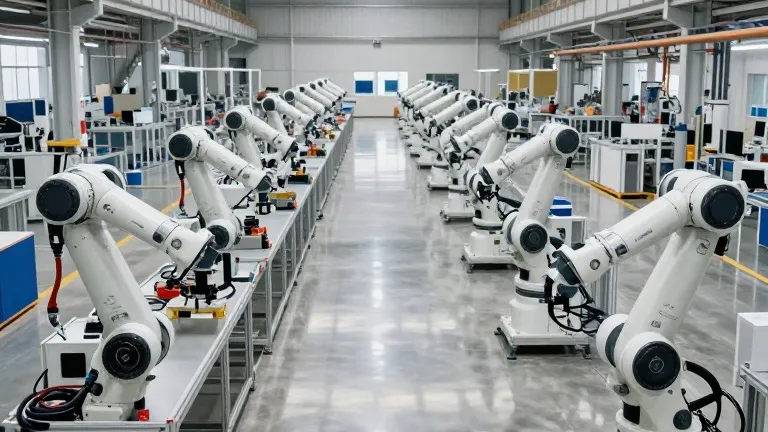
Tesla has initiated commercial manufacturing of its Optimus humanoid robot on a high-volume line within its Fremont factory. The company asserts that units leaving this specific production line meet the quality standards required for a commercial product, marking a shift from prototype development to mass market preparation. In its third-quarter shareholder letter, Tesla confirmed that the current manufacturing process is suitable for a commercial product, distinguishing these units from previous iterations.
The production line occupies space previously used for the Model S and Model X. Tesla cleared the old vehicle assembly line in 46 days to accommodate robot production capacity designed for one million units annually. On the earnings call, Elon Musk stated that most equipment for this capacity is already installed. He indicated that weekly output is set to rise toward 20,000 robots as the line ramps up, describing the growth trajectory as a classic S curve with a shallow initial slope.
The core challenge in scaling production is generating sufficient training data. Unlike Tesla’s automotive fleet, which provides real-world driving data from millions of vehicles, Optimus lacks a comparable existing user base. Musk acknowledged this gap, noting that the company does not have a vast fleet of robots to gather training data from. To address this, Tesla has established an Optimus Academy where 10,000 to 20,000 robots will practice a wide range of tasks.
The Academy functions as a closed-loop training environment. Robots within the facility execute various actions and feed their performance data back into the AI model. This iterative process allows the software to improve before the hardware is deployed to customers. Every unit produced on the Fremont line serves as a data source for this ongoing refinement, ensuring that the AI improves in tandem with hardware output.
Tesla is also upgrading the hardware to support these learning capabilities. The company plans to integrate its AI5 chip into the Optimus units next year. Musk stated that a new video demonstrating the robot completing tasks driven by AI rather than preprogrammed motions will be released within one or two months. This update aims to distinguish Tesla's product from rival humanoid demonstrations that rely on scripted routines.
The team is currently refining the robot’s AI, electromechanical design, reliability, and service life. Musk expects this development work to be completed by the end of next year. Upon completion, Tesla plans to begin delivering Optimus units to outside companies. These early deliveries will target applications involving dangerous, repetitive, and around-the-clock work.
Source: Teslarati