Salmon Shortage Fuels Clash in Alaska Senate Race
Candidates Dan Sullivan and Mary Peltola trade blame over declining fish stocks in western Alaska, with trawling bycatch at the center of the dispute.
By Emma Mehta ·
Salmon runs in western Alaska are failing, and the resulting scarcity has become the defining issue in the state's tight U.S. Senate race.
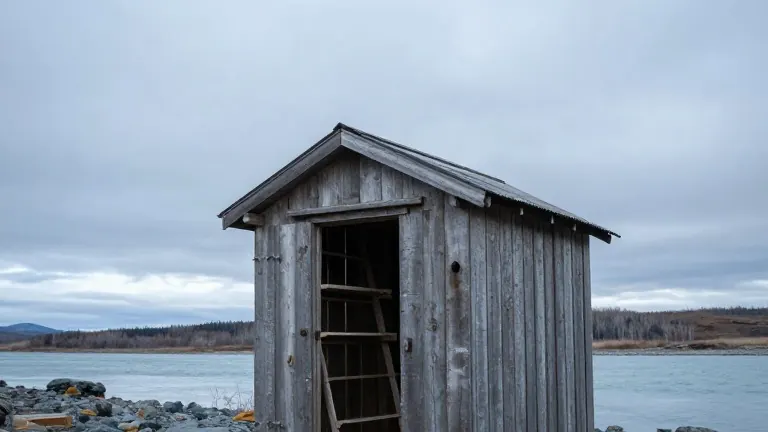
In the village of Kwethluk, local residents report that smokehouses sit empty during the summer months because too few fish return from the Bering Sea to the Kuskokwim River. Evon Waska, who lives on the river, says his drying racks are bare. He blames industrial trawlers miles offshore for the decline, noting that government agencies often close rivers to local subsistence fishing while leaving the large fishing fleet open. "They don't close the trawlers. They close me and my people first," Waska said.
The conflict pits a $1 billion pollock industry, much of it based in Seattle, against communities that rely on king salmon for food. Trawlers use sock-shaped nets that are a quarter mile long, and while they target pollock, they frequently capture and discard prized salmon as bycatch. This year, pollock trawlers reported catching 40,000 Alaska salmon, a figure that industry leaders say represents a small percentage of their total harvest.
Republican incumbent Dan Sullivan has aligned himself with the pollock industry but recently introduced a bill to reduce bycatch. Sullivan called it the most comprehensive bycatch legislation ever, designed to protect seafloor habitat. His Democratic challenger, Mary Peltola, an Indigenous Alaskan from the Kuskokwim region, argues that Sullivan's move is a last-minute political strategy. Peltola stated that Sullivan reeled in over $300,000 from trawlers before offering a half-hearted solution. She has pledged to ban the largest factory trawlers if elected.
Heather Mann, who leads a trawlers association, disputed the idea that the pollock fishery is the primary cause of the salmon decline. "Even if you were to eliminate pollock, the chances of salmon runs being restored, what the science shows us is it would have a minimal impact," Mann said. Political ads in the state have heavily featured the fish issue, with Sullivan touting his new legislation and Peltola criticizing his ties to corporate trawlers.
In Kwethluk, tribal president Mary Nikolai described the empty smokehouses as a slow trend that is closing out local workers. She noted that subsistence fishing is the main occupation and the backbone of the culture in her community. The race could determine the balance of power in the U.S. Senate, and both candidates are using the local struggle over fish to define their platforms.
The next step in the race involves continued campaigning as the state prepares for the November election, with both sides emphasizing their positions on managing fisheries and protecting local livelihoods.
Source: NPR