San Diego voters face crowded ballot as Newsom term ends
With over 100 drop boxes and a Nov. 3 deadline, the county prepares for a contest between Xavier Becerra and Steve Hilton for governor.
By Katherine Barnes ·
San Diego County voters will decide the next California governor on Nov. 3, 2026, in a race defined by term limits and a crowded ballot. Gavin Newsom has reached the maximum number of terms allowed, clearing the way for Democrat Xavier Becerra and Republican Steve Hilton to compete for the top state office. Becerra served as U.S. secretary of health and human services, while Hilton worked as a political commentator for Fox News. This contest anchors a statewide election that also includes races for attorney general, lieutenant governor, secretary of state, controller, insurance commissioner, and treasurer.
The election extends beyond state leadership to federal and local levels. Voters will select representatives for the state Legislature and the U.S. House of Representatives. In San Diego County, the ballot includes contests for two Board of Supervisors seats and congressional races in the 48th and 49th districts. Residents within the city limits of San Diego will also elect district representatives for districts 2, 4, 6, and 8. These local races determine how much control city and county officials hold over zoning, budgeting, and infrastructure spending.
Fourteen California propositions appear on the ballot, covering housing, taxes, environmental regulations, and election rules. Countywide measures address term limits for supervisors and sales tax. These propositions directly impact consumer costs and government oversight. NBC 7 politics reporter Joey Safchik analyzed the measures for the network, noting that their passage could alter tax revenues and regulatory frameworks across the state. The outcome of these votes will influence how state funds are allocated for public projects and services.
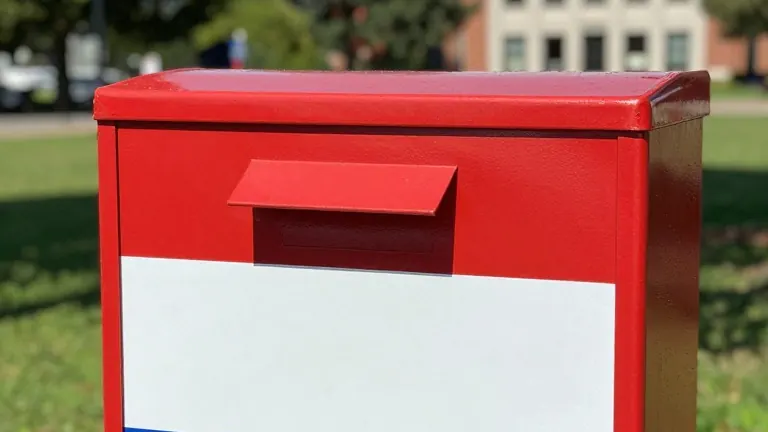
Voting access begins before Election Day. Mail ballots were sent to registered voters starting the week of Oct. 5. Early in-person voting opened Oct. 24 at select locations. Polls operate from 7 a.m. to 8 p.m. on Nov. 3. The county has installed more than 100 official ballot drop boxes, placing one drop box for every 15,000 registered voters. These red, white, and blue boxes are located in libraries, parks, and other public spaces. They opened Oct. 4 and remain accessible 24/7 until the 8 p.m. deadline on Election Day.
Ballots mailed through the U.S. Postal Service must be postmarked by Nov. 3 and received by the Registrar of Voters by Nov. 10. Voters can drop off ballots at any official box regardless of their registration address. If a voter has not received a mail ballot, they can request a replacement through the Registrar of Voters website. The county automatically mails ballots to all active registered voters under California's Voter's Choice Act.
Registration deadlines passed on Oct. 19 for online and mail-in submissions. However, eligible Californians can still register through Election Day via conditional voter registration. Voters can register and cast a provisional ballot at the Registrar of Voters office at 5600 Overland Ave. or at any vote center. The vote is counted after registration status is verified. This process also registers voters for future elections. To qualify, voters must be U.S. citizens, California residents, at least 18 years old, and not currently in prison for a felony.
In-person voting requires checking in at the electronic roster, known as the ePollbook. Voters use a touchscreen device to mark their choices. The system prints an official ballot with their selections, which is then inserted into a ballot box. California generally does not require photo identification at the polls. ID is needed only if a voter is voting in a federal election for the first time, registered by mail or online, and did not provide a California ID or Social Security number during registration.
Officials have until Dec. 3 to certify final results. Preliminary results are released as soon as polls close. Some races may be decided immediately, while others could take days or weeks to call. The county provides sample ballots on its website to help voters prepare. Complaints about voting problems can be filed on the California Secretary of State website, where voter fraud and suppression are classified as felonies.
Source: KNSD
More Business · Watch Your Wallet · Report a business · Got a Story?