Southern California clocks lose an hour this Sunday
Residents in the region will gain an extra hour of sleep as the state switches back to Pacific Standard Time at 2 a.m.
By Imani Donovan ·
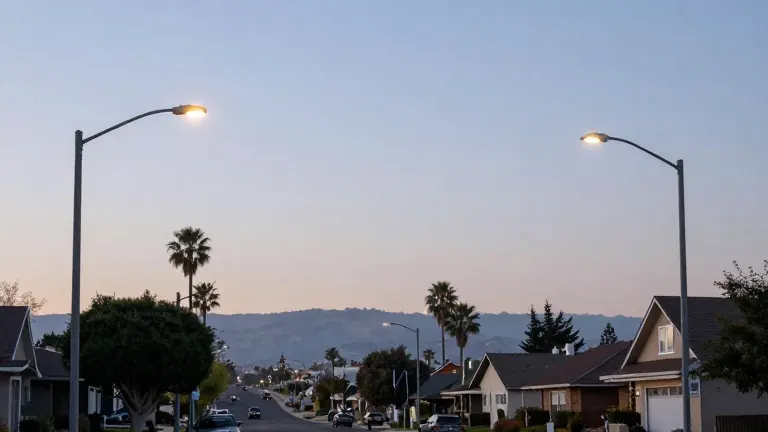
Southern California residents will lose one hour of daylight this Sunday at 2 a.m. The time change marks the end of daylight saving time and the return to Pacific Standard Time. While many digital devices will update automatically, owners of mechanical watches, appliances, and some vehicles may need to adjust them by hand.
The shift alters the daily light schedule immediately. On Sunday, the sun will rise around 6:13 a.m. and set near 5 p.m. This creates earlier darkness in the evening, prompting the National Highway Traffic Safety Administration to urge drivers to slow down. The agency specifically advises motorists to watch for pedestrians and children near schools and bus stops. Walkers are encouraged to wear bright or reflective clothing and carry flashlights after dark.
Local fire departments use this date as a prompt to check home safety equipment. They recommend testing smoke alarms and reviewing escape plans during the time change. Residents should also check the batteries in carbon monoxide detectors to ensure they are functioning properly.
The twice-yearly clock change is governed by federal law, which sets the dates for the second Sunday in March and the first Sunday in November. Daylight saving time began on March 8 this year. Hawaii, most of Arizona, and several U.S. territories do not participate in the practice. California voters approved Proposition 7 in 2018, granting the state legislature the power to set its own schedule, but the measure did not end the annual changes.
Washington has debated making daylight saving time permanent for years. The House passed the Sunshine Protection Act on July 14 by a vote of 308 to 117. The bill, H.R. 139, moved to the Senate Committee on Commerce, Science and Transportation, where it has remained stalled. A Senate companion bill, S. 29, received a 16 to 12 committee vote in April 2025, but the panel noted that another vote would be needed to meet attendance rules. Neither bill has reached a floor vote in the Senate.
President Donald Trump has pushed for the House bill to pass. He wrote on Truth Social on Monday that the Senate is letting the bill die despite majority support. Trump’s stance has changed over the past two years; he called for eliminating daylight saving time in December 2024 before backing permanent summer time in 2025. Some senators oppose the bill, citing concerns that children in northern states would travel to school in the dark during winter months.
If Congress does not change the current law, clocks will move forward one hour again at 2 a.m. on March 14, 2027.
Source: KNSD