Boston Dynamics staff sign petition against robot dog sale to ICE
More than 300 employees requested a halt to a $1.3 million contract for four modified Spot units, while executives defended the sale as a non-combat role.
By Emma Mehta ·
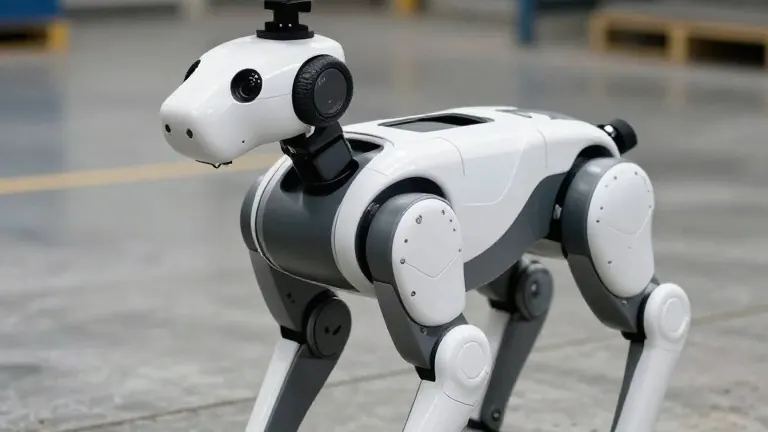
Boston Dynamics executives reaffirmed a deal to sell four robot dogs to U.S. Immigration and Customs Enforcement despite a petition from over 300 of their own employees asking them to stop. The company stated the robots would not be weaponized, countering concerns raised by the internal group. The workforce of roughly 1,400 people sent the letter in early September, with half of the signatories remaining anonymous. They shared copies of the document with The Boston Globe and WBUR public radio.
The underlying agreement stems from a contract awarded on September 25 by the Department of Homeland Security. The agency gave $1.3 million to Radeco, a Connecticut-based firm, to supply modified versions of the company’s quadruped robots to ICE. The petition authors, who described themselves as proud of their innovation, told executives the risk to the company’s reputation was too high to proceed. One line in the letter read, “The risk for Boston Dynamics is simply too great to continue with this deal.”
The four units covered by the contract are Spot robots upgraded by Radeco into a platform called Cerberus. The contract specifies that these machines are designed to detect radiation, toxic gas leaks, and explosive threats in cities or disaster areas. The Cerberus model includes an oxygen sensor meant to check air quality in tight spaces like tunnels before human personnel enter. It also features a 30-times zoom camera, 360-degree cameras, and infrared thermal imaging for remote observation.
Employees expressed shock over the partnership, noting that friends and family questioned how the firm could live with the arrangement. The signatories said they love showing off their work and challenging perceptions of what robots can do. The petition argued that the deal threatened that mission. Executives stood by the transaction, emphasizing the robots’ role in inspection and detection rather than combat.
The contract amount of $1.3 million covers the provision of the four modified units. The Department of Homeland Security awarded the funds to Radeco specifically for the delivery of these Cerberus platforms. The robots are equipped with sensors to identify environmental hazards. The company’s workforce of 1,400 people saw the sale as a departure from their usual focus on innovation and public perception of robotics.
The letter from staff members highlighted their personal connections to the company’s output. They reported receiving messages from loved ones expressing disbelief about the news. The petition stated that the company’s risk was too great to continue. Executives maintained the deal was sound and that the robots would serve in observation and inspection roles. The agreement remains in place despite the internal dissent.
Source: Ars Technica