Europe's Youth Protests Turn Violent as Students Demand Economic Relief
Mass demonstrations have spread across nine nations, prompting thousands of arrests and new laws holding parents liable for property damage.
By Emma Mehta ·
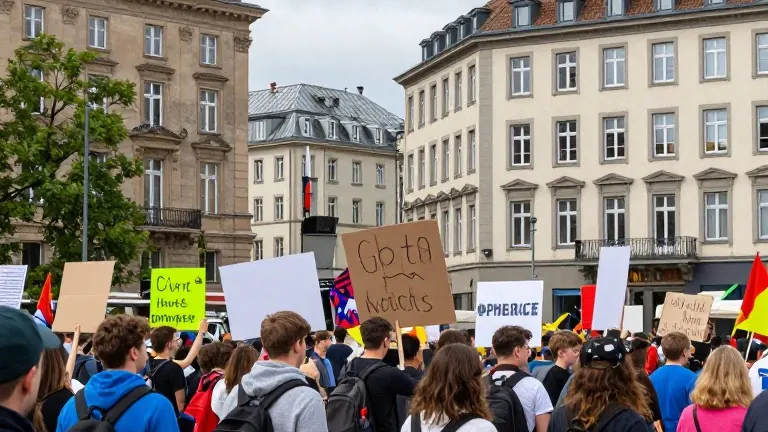
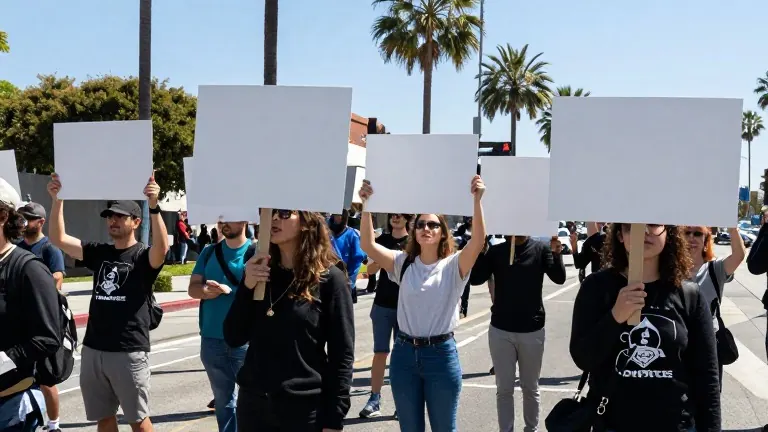
Youth-led demonstrations have expanded across Europe, moving from initial student rallies in France to large-scale marches in Italy, Spain, Belgium, and Portugal. While many events began as peaceful gatherings, a substantial number ended in violence, looting, and clashes with police. The movement is characterized by simultaneous actions in multiple countries and a high concentration of participants under the age of eighteen.
The scale of the unrest is vast. Hundreds of thousands marched in France, where the wave began in late September over school staffing shortages and deteriorating buildings. In Spain, a tent encampment has occupied a central square in Madrid since late September. In Rome and Florence, thousands of people took to the streets, while tens of thousands marched in Lisbon earlier this month. In Brussels, police deployed tear gas and water cannons after young men in black clothing threw rocks and firecrackers.
Demographers and news agencies note that the participant pool is unusually young. In Barcelona, over half of those detained in scuffles last weekend were minors. Italy's LaPresse news agency reported that minors were among those held in Milan. In Albania, protesters are demanding the resignation of Prime Minister Edi Rama, who has held power for thirteen years, citing corruption.
Organizers have leveraged social media platforms like TikTok and Instagram to coordinate events. Belgium's interior minister referred to this as the "TikTokisation" of protests. In Barcelona, students used the hashtag #InstitutsIndignats, mirroring the French slogan Lycées Indignés. Yiannis Papanikolaou, a seventeen-year-old Greek student, told AFP that France's actions are likely to spur similar changes in Greece.
Grievances extend beyond education to include environmental concerns, the impact of artificial intelligence on employment, and rising living costs. Carolina Cruz, a twenty-six-year-old PhD student in Lisbon, told Reuters she may lose her home as her rental contract ends. Riccardo, a twenty-two-year-old protester in Milan, told AFP the goal is to get people talking about these issues again. Marine Le Pen's campaign also cited living costs and street safety, indicating that not all young protesters align with the left.
Authorities have responded with thousands of arrests and new financial liabilities. Italy and France have adopted a "you break it, you pay for it" policy. Italian Prime Minister Giorgia Meloni has made parents liable for damages caused by their children, including deductions from welfare support. Intelligence services in France and Belgium described much of the looting as opportunistic, mixed with orchestrated disorder by ultra-left youth. President Emmanuel Macron and other centrist and right-wing politicians have blamed radical left groups and delinquents.
More mass demonstrations are planned in France and Italy in the coming days. These events occur as major elections approach in major EU countries, with nationalist parties polling well in France, Spain, Italy, Germany, and Poland. Grégoire Roos of Chatham House stated that the social contract between citizens and states has eroded, and the current protest wave looks set to continue.
Source: BBC News
More Politics · World news · Report a business · Got a Story?