Rocket Lab places three signal trackers at 520 km
The Electron rocket carried the payload from New Zealand on its 19th flight of the year.
By Katherine Barnes ·
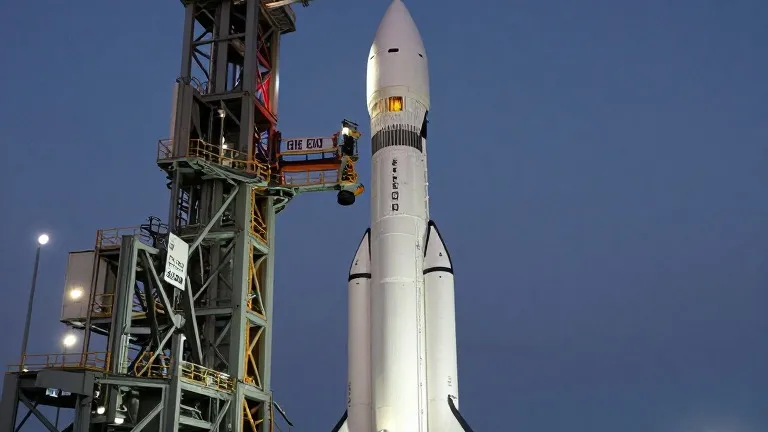
An Electron rocket placed three new signal intelligence satellites into low Earth orbit early Thursday morning. The launch took place at 3:11 a.m. EDT from Rocket Lab's site in New Zealand. The spacecraft were built for HawkEye 360, a company based in Virginia.
The mission, designated We're Not Hawking Around, marked Rocket Lab's 98th launch. It was also the company's 19th flight in 2026. Sixteen of this year's missions used the two-stage Electron. Three others used HASTE, a suborbital variant for hypersonic testing.
HawkEye 360 operates the satellites in clusters of three. They collect data across the radio frequency spectrum. The systems track maritime activity, detect GNSS jamming, and monitor radar. They also map communications and support space defense operations.
The company provides this intelligence to the U.S. government and its allies. HawkEye 360 states its goal is to enable faster and better decision making. It says its space-based collection and AI powered analytics turn spectrum knowledge into a strategic advantage.
This deployment follows a recent addition to the fleet. Three other HawkEye satellites flew on a SpaceX Bandwagon 5 rideshare mission just two days prior. The company has now placed nearly 50 satellites into orbit since its first launch in 2018.
The three new spacecraft will reach an altitude of 520 kilometers. Once commissioned, they will begin scanning the planet for radio emissions. This addition expands the network of sensors monitoring the RF environment.
Source: Space.com