San Diego water bills to shift as tiered pricing ends
The city council approved a new billing structure on Tuesday, requiring a change that will raise costs for efficient users and lower them for high consumers.
By Emma Mehta ·
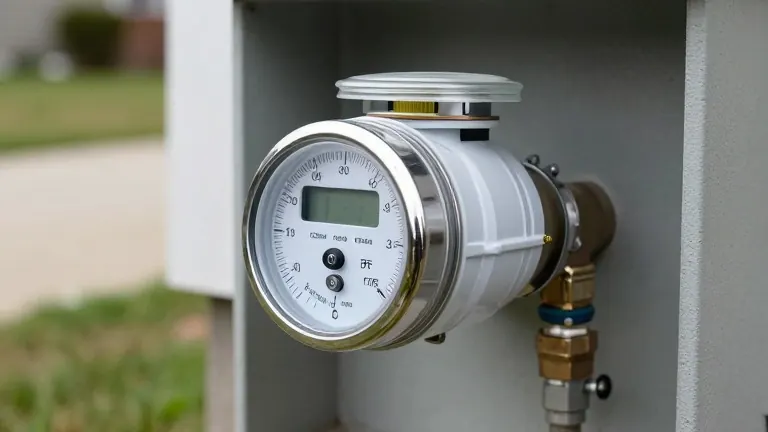
San Diego water customers will face a new billing structure starting in January. The change removes the tiered pricing system that previously charged lower rates to households that used less water.
The San Diego City Council voted 6-2 on Tuesday to approve the modification. The shift stems from a 2015 lawsuit filed by Daniel Patz and others against the city. The court ruled that the previous tiered system was invalid, forcing the city to adopt a flat rate based solely on consumption.
City estimates indicate that the average monthly bill for a low-use customer in a single-family home will rise by approximately $6. Conversely, high-use customers are expected to see their bills drop by about $20. This reversal means households with efficient landscaping will pay more per unit, while those with large yards or pools will pay less.
City officials stated they disagreed with the court's ruling but were legally bound to comply. A staff member presenting the agenda item told council members, “The city does not agree with the court's decision in the [Daniel Patz et al. v. City of San Diego] case. However, we are legally required to have a structure the court deems valid.”
The city attempted to overturn the ruling through the appeals court but was unsuccessful. As part of the resolution, San Diego is responsible for a $40 million settlement. Council member Sean Elo-Rivera, representing district 9, expressed frustration during the vote. “It makes me angry because what is being imposed on us as a city and, therefore imposed, on the people of San Diego is a penalty for doing more to conserve water,” Elo-Rivera said.
Residents in the region, which frequently experiences drought conditions, have offered mixed reactions to the change. Isabel Jordan noted that she initially believed all customers should pay the same rate. “I mean we’re in Southern California. We’re in a water crisis, water shortage constantly, in and out of drought, so at first I was like, 'oh, everyone should pay the same rate,' then I kind of understand the incentive behind subsidizing more efficient consumers of water,” Jordan said.
The new flat-rate structure will take effect in January. It will coincide with a separate, previously approved water rate increase. The city acknowledged that modest increases could affect households that have made specific efforts to conserve water.
Source: KNSD