Freesia growers in California face nightly rat attacks
Urban wildlife pressure is forcing gardeners to move plants indoors or use bait traps to protect corms from being eaten or gnawed.
By Katherine Barnes ·
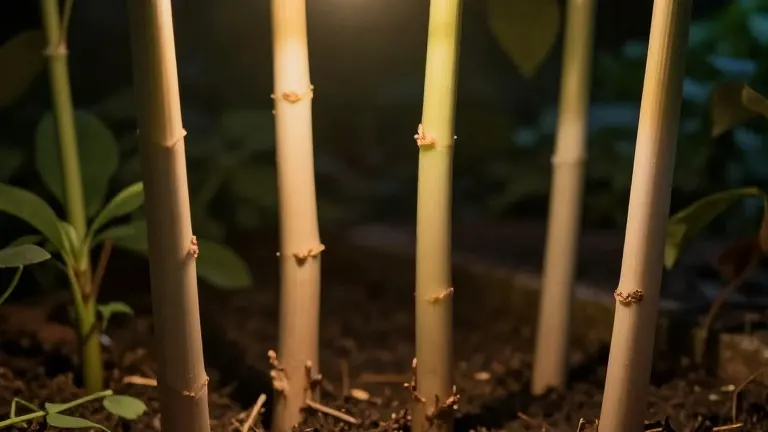
Rats are stripping free-flowering freesia gardens in Huntington Beach, California, forcing one homeowner to relocate her plants to backyard containers.
Dena, a local reader, planted freesia corms of white, yellow, purple, red, and pink varieties about 40 years ago in her front yard. She allowed the plants to self-sow and cross-pollinate, resulting in new color combinations over time. Her soil was described as poor enough that weeds would not grow, and she rarely watered or fertilized the patch.
Two years ago, urban wildlife began consuming the corms during the day and night. A squirrel ate corms in daylight, while rats, opossums, raccoons, and possibly skunks stripped entire sections at night. Hundreds of corms were eaten, and smaller ones were dug up and bitten in half. Dena moved the surviving corms into pots in her backyard to protect them.
The relocation did not stop the damage. Last year, an animal cut down freesia shoots at night, leaving only a half-inch of stem above the soil. The plants spent weeks regenerating only to be mowed down again. This cycle repeated for months, depleting the energy of mature corms by the end of the growing season.
The culprit is the rat. Rats have incisor teeth that grow continuously throughout their lives. If these teeth are not sharpened, they can curve into the upper jaw or skull, or curl into the roof of the mouth. Crisp plant shoots provide the resistance needed to file the teeth down. Dena identified the specific behavior: rats cut shoots to sharpen their teeth without consuming the plant.
Dena recommends using a standard rat trap baited with a half-inch to three-quarter-inch piece of Slim Jim meat stick, with the wrapper still attached. She affixes the meat to the trap’s hook or trigger loop. She reports that this method resolves the rat problem quickly.
The increase in urban wildlife is attributed to droughts and fires shrinking natural habitats. Animals that once lived in hills and canyons in Southern California now seek refuge in human neighborhoods. A large skunk was observed in a backyard last week during midday, an unusual time for a nocturnal animal. This may be due to unsecured trash containers, outdoor pet food, or ripening produce in the area.
Squirrels are also becoming bolder. A squirrel named Seymour visited a front yard in west Los Angeles last summer, standing just feet away from homeowners. It eventually darted into the living room and was chased out with a broom. This year, a different squirrel with a fuller tail has been observed. These are eastern fox squirrels, which were brought to Los Angeles by Civil War veterans as pets and now survive in the city for up to 20 years in captivity.
Source: Inland Valley Daily Bulletin