Trump hints at moving White House press corps
The president suggested relocating reporters to a new site while denying plans to restore a historic pool beneath the briefing room.
By Emma Mehta ·
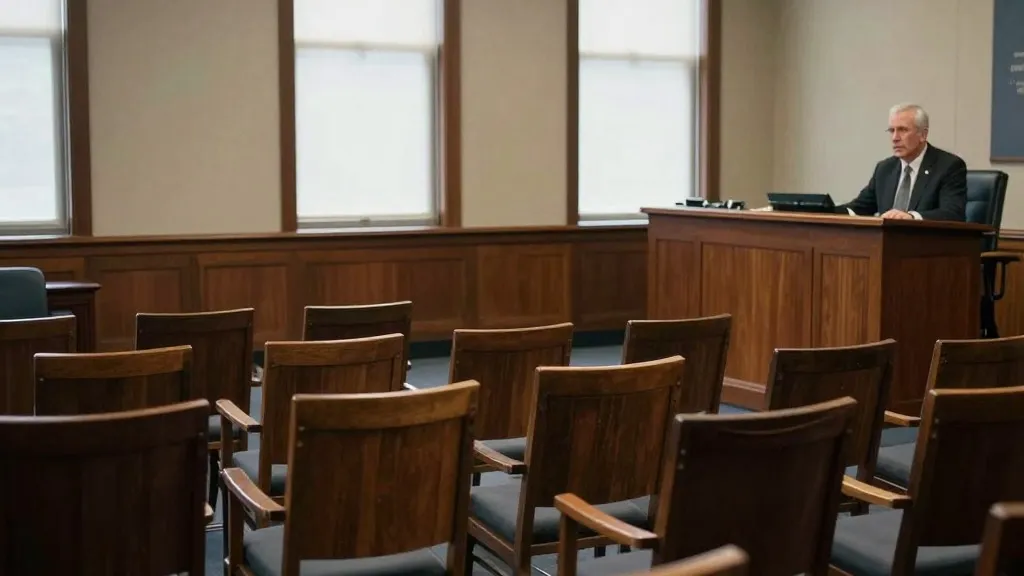
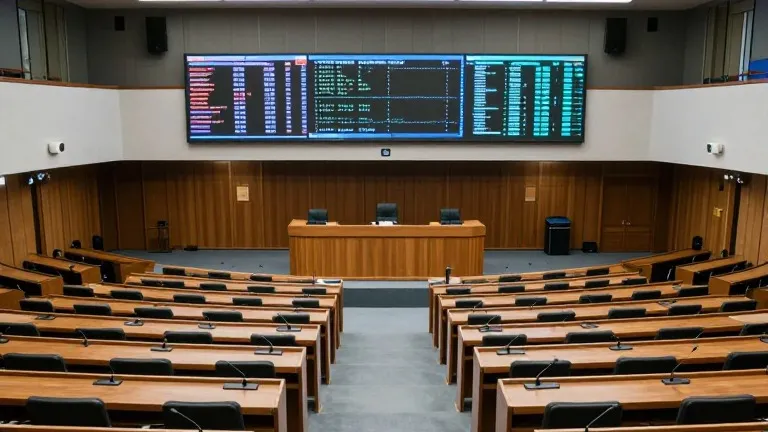
For the hundreds of journalists stationed near the White House, the familiar routine of gathering in the James S. Brady Press Briefing Room may soon change. President Donald Trump indicated on Friday that he could move the press corps to a different site, describing his current location as potentially "less obnoxious." This potential shift would alter the daily workflow for reporters who rely on that specific room to interview the administration, marking a significant departure from decades of established practice.
In a post on Truth Social, Trump addressed recent rumors about the future of the briefing space. He firmly rejected the notion that he planned to demolish the room to restore a historic swimming pool located underneath. Calling those reports "Fake News," he stated, "I NEVER even thought to do such a stupid thing!" However, he left the door open for the possibility that the reporters themselves might be relocated to a different area of the White House complex.
The speculation gained traction after The New York Times reported on Tuesday that Trump had discussed moving journalists with Karoline Leavitt, his former press secretary. According to the report, the idea was floated during Leavitt's time in the role, which concluded on August 27, but did not result in an immediate move. The suggestion to restore the pool, which Trump had previously mentioned to aides, remains a point of interest for historians and staff alike.
The pool in question has a storied history dating back to 1933, when it was built in the West Wing for President Franklin D. Roosevelt. Roosevelt, who suffered from polio, used the water to alleviate physical soreness. In the 1970s, President Richard Nixon ordered a floor to be constructed over the pool to create space for a briefing room that could accommodate a growing number of media professionals. The structure remains intact beneath the current floor, a hidden feature of the executive residence.
Leavitt addressed the pool topic in a Friday interview on HBO's "Real Time with Bill Maher." She described the president's attitude as "flirting" with the idea of restoration. "Maybe he wants to restore it to all of its glory," she said, while noting uncertainty about whether the plan would come to fruition. Her comments added to the public speculation about the physical changes occurring within the White House grounds.
These remarks occur against a backdrop of strained relations between the president and the press. Last month, the administration barred reporters from CNN, MSNBC, and POLITICO from the White House. This decision drew criticism from free speech advocates who argued it violated First Amendment protections. A US federal judge ruled the order likely unconstitutional, forcing the White House to restore access, though the administration continues to challenge that ruling in court.
Tensions also surfaced during an Oval Office event on Tuesday, where Trump clashed with Andrew Feinberg, a White House correspondent for The Independent. As Feinberg attempted to ask a question, Trump interrupted, asking, "What's wrong with you? Are you a sick person? I actually think there's something wrong with you." The White House highlighted this interaction on its social media channels, further illustrating the friction between the two groups.
Any structural changes to the briefing area would join a series of controversial modifications to the White House property since Trump returned to power last year. These recent alterations include the demolition of the East Wing to make way for a new ballroom, the installation of concrete pavers on the central lawn of the Rose Garden, and the construction of a helipad on the South Lawn. These projects have transformed the physical landscape of the executive residence significantly.
The White House did not immediately respond to requests for comment regarding the potential relocation of the press corps or the status of the historic pool. As the administration proceeds with its various building projects, the fate of the press briefing room remains a focal point for both media observers and the public.
Source: Al Jazeera
More Politics · World news · Report a business · Got a Story?