New maps in seven states may not decide the House as drawn
Mid-decade redistricting in key states has created competitive districts, but historical voting patterns suggest the boundaries may not guarantee the outcomes predicted by the lines.
By Katherine Barnes ·
Voters in California, Florida, Missouri, North Carolina, Tennessee, Texas, and Ohio are casting ballots under new congressional maps this Tuesday. These mid-decade redistricting efforts were designed to reshape the political landscape for the 2026 midterms. The stakes are high as Republicans hold 218 seats in the House and Democrats hold 214, with one independent and several vacancies. Democrats need a net gain of three districts to claim a majority, while Republicans can afford to lose no more than two seats. The Associated Press notes that the election is being viewed as a referendum on President Donald Trump's second term, with many voters focused on economic conditions.
Ballotpedia counts 46 battleground districts in the House, with 25 held by Democrats and 21 by Republicans. The new maps in the seven states mentioned have drawn significant attention from both parties. However, historical data suggests these boundaries may not perform as expected. Twenty-one Democratic-held districts voted for Trump in 2024, while nine Republican-held districts voted for Kamala Harris. This overlap indicates that the new lines may not create the safe seats either party hoped for, leading to close races that could swing the chamber's control.
Republicans have relied on redistricting to beat the historical midterm pattern where a president's party typically loses seats. They aimed to create a map that would protect their majority in the House. The Republican National Committee Chairman Joe Gruters emphasized that turnout is the deciding factor, stating that if they turn out their voters, they will win. He added that this was the core of their planning strategy. The party braced for the possibility of losing the House while fighting hard to hold the Senate, where they hold 53 seats against 45 Democrats and two independents who caucus with the minority.
Democrats are cautiously optimistic about their chances, arguing that the new maps in states like Florida and North Carolina are competitive enough to allow them to gain the necessary seats. House Democratic Leader Hakeem Jeffries has outlined a 100-day agenda focused on the cost of living and oversight if his party takes control. Democratic Committee Chair Rep. Suzan DelBene noted that the American people are angry and want change. She suggested that the economic strain and high prices are driving voter sentiment, a view supported by AP-NORC polling which shows only 35% of adults approve of Trump's job performance.
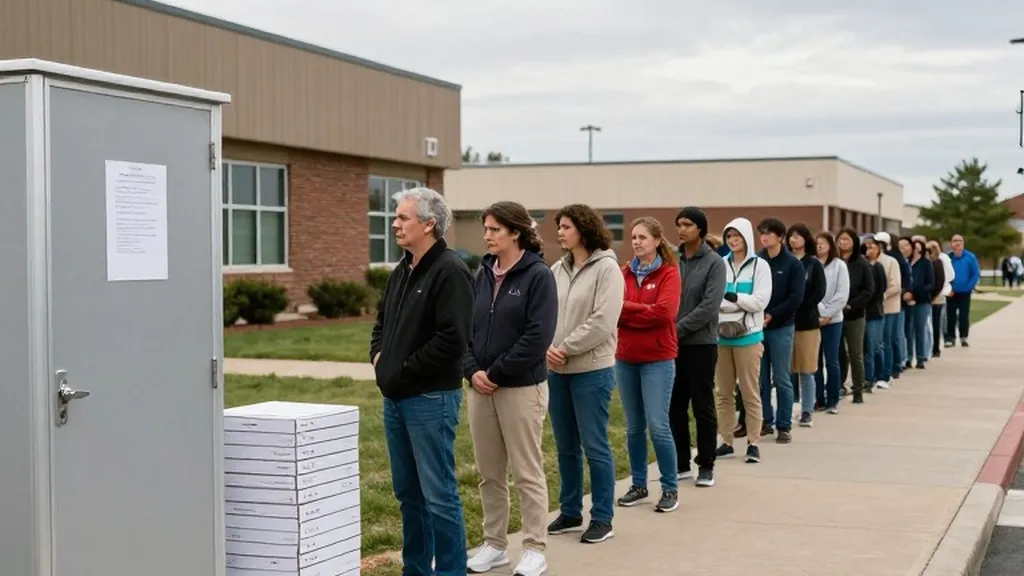
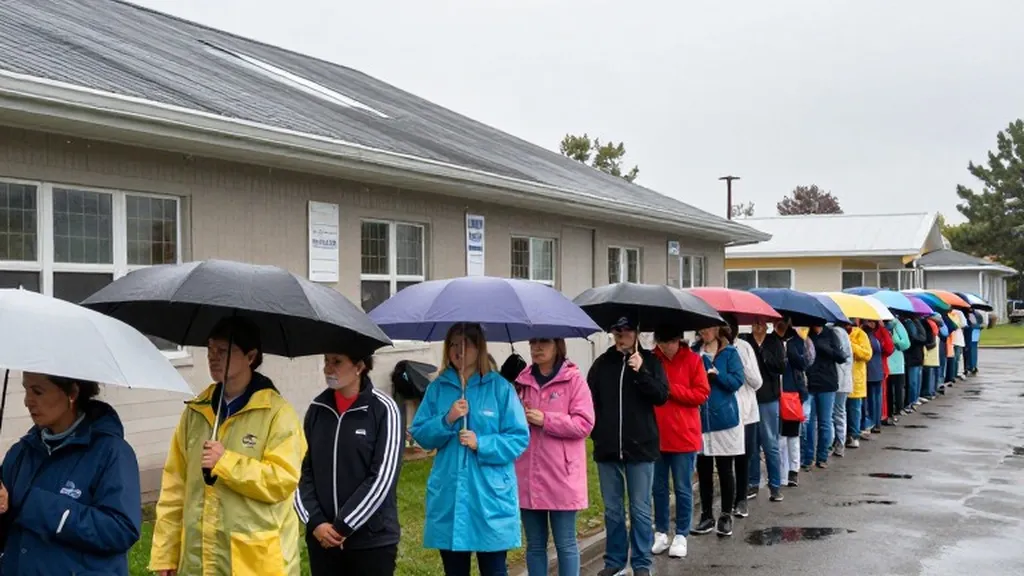
The mood in polling places across these seven states reflects a nation divided over the economy and foreign policy. The Associated Press reports that voters are struggling with high prices and are angry over an unpopular war with Iran. About seven in 10 Americans say the country is heading in the wrong direction, with most blaming the president for the cost of living. More than 57 million people had already voted by Monday, surpassing the early vote numbers from four years ago in many closely watched states. This high level of early participation suggests that the final outcome may be determined by turnout in the remaining hours of voting.
In the Senate, 35 seats are up for election, including 33 regular seats and two special elections. Democrats need to gain four seats to take control, while Republicans can only afford to lose two. The new congressional maps in the seven states also influence the Senate races, as the partisan lean of the new House districts often correlates with the state's overall political balance. Key Senate matchups in these states include Ohio, where former Senator Sherrod Brown faces Republican Senator Jon Husted, and North Carolina, where former Governor Roy Cooper challenges Michael Whatley. These races are critical for determining which party controls the chamber that confirms presidential appointments and advises on treaties.
The administration has taken legal steps that may affect the election process, adding a layer of complexity to the new maps. A federal judge temporarily barred the Trump administration from carrying out a plan to prevent noncitizen voting, a move critics say could disenfranchise eligible voters. Another judge ordered the administration to stop demanding that California officials segregate ballots from suspected noncitizens. These legal battles have raised concerns among Democrats about interference, while Republicans argue the measures are necessary to protect the integrity of the vote. The Justice Department's threats to prosecute local election officials have further heightened tensions in key states.
Money is playing a significant role in these races, with the 2026 elections likely to be the most expensive in history. Republican committees have outraised and outspent their Democratic counterparts, aided by Trump-affiliated groups and billionaire Elon Musk. However, at the candidate level, Democrats have managed to raise more funds than their opponents. The distribution of advertising spend reveals a strategic focus: 88.1% of Republican general election TV ad spending went to states and districts that Trump won in 2024. This includes more than $850 million in districts where he won by 10 points or more, indicating a strategy to consolidate support in areas where the new maps may be most favorable to Republicans.
The new maps in Texas and Florida are particularly scrutinized because of the state's large population and the number of competitive districts created. In Texas, Republican Attorney General Ken Paxton is running for the Senate after Trump backed him over Senator John Cornyn in the primary. In Florida, the special Senate election for the rest of Marco Rubio's term has drawn national attention. The AP notes that economic strain and tariffs have made states like Maine competitive, but in the South, the focus is on whether the new House maps will hold up under the pressure of a national referendum. The outcome in these districts could determine the balance of power in the House for the next two years.