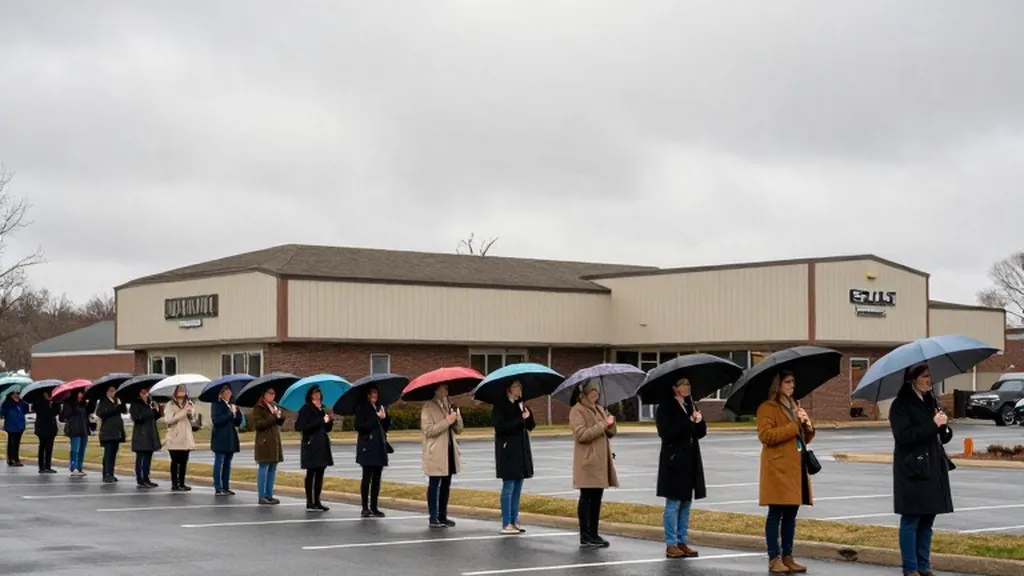
Voters in Raleigh and Palm Beach weigh tariffs and tax burdens on Election Day
AP-NORC polling shows a majority of Americans blame President Trump for high prices, driving distinct voter sentiments in North Carolina and Florida.
By Katherine Barnes ·
On this Election Day, Tuesday, November 3, 2026, the economic condition of the nation has emerged as the central factor influencing voter decisions across the country. The Associated Press describes the midterm election as a referendum on President Donald Trump's second term, noting that many voters are struggling with high prices and remain angry over an unpopular war with Iran. This sentiment is reflected in recent AP-NORC polling data, which indicates that thirty-five percent of U.S. adults approve of Trump's job performance, while only twenty-five percent approve of his handling of the economy. Furthermore, about seven in ten Americans say the country is heading in the wrong direction, with most of those respondents blaming the president for rising costs.
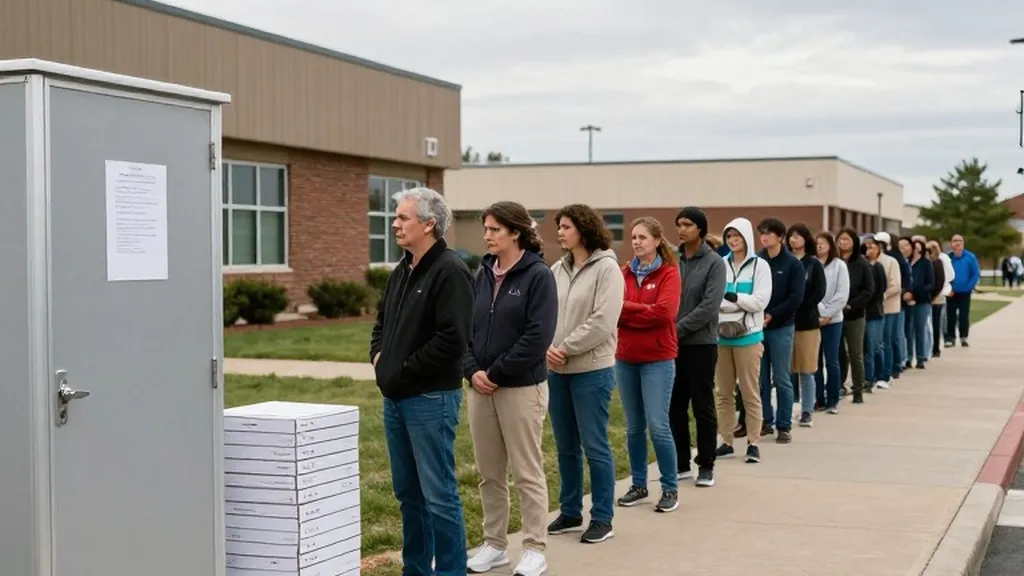
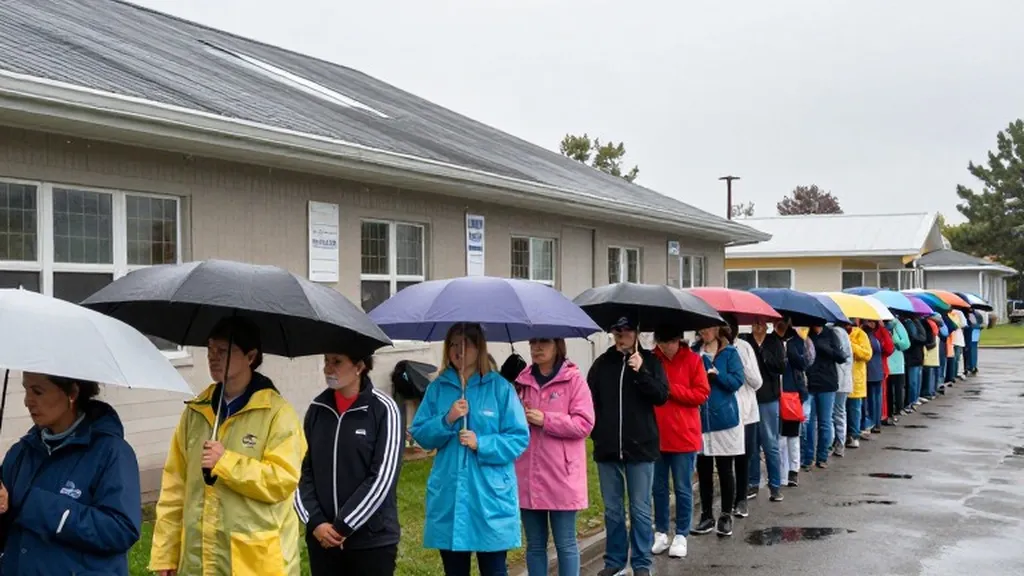
The financial strain felt by households is a primary driver of political engagement in key battleground states. In Raleigh, North Carolina, James Moore, a fifty-seven-year-old librarian, highlighted the direct impact of inflation on his daily life. Moore stated that he is paying more taxes, more for healthcare, and more for everything. His comments illustrate the frustration among voters who feel that the cost of living has outpaced their income. This perspective aligns with the broader narrative that tariffs and trade policies have contributed to higher consumer prices, making the economy a top issue for independents and partisans alike.
In contrast, the economic outlook varies significantly in other regions, such as Palm Beach Gardens, Florida. Mark Barker, a voter there, expressed a different view on the administration's performance. Barker said he has been following Trump the whole time and really thinks he is doing an awesome job. This divergence highlights how local economic conditions and personal financial experiences shape political opinions. While some voters in North Carolina focus on the tangible increase in everyday expenses, voters in parts of Florida may be weighing different factors, including the administration's broader economic initiatives and their perceived benefits.
The Associated Press notes that the AP-NORC poll shows most Americans blame the president for high prices, a sentiment that is particularly loud in states like Maine and Michigan. In Maine, economic strain and tariffs have made the Senate race between Republican Susan Collins and Democrat Troy Jackson highly competitive. The state's voters are closely watching how trade policies affect local industries and household budgets. Similarly, in Michigan, the open Senate seat is a toss-up to lean Democratic, with candidates debating the impact of the current economic climate on manufacturing and employment. These states serve as critical indicators of how economic issues are translating into votes.
Republican leaders are bracing for the possibility of losing the U.S. House of Representatives while fighting to hold the Senate. RNC Chairman Joe Gruters emphasized that everything depends on turnout, stating that if they turn out their voters, they win. He noted that this is what the party has been planning for. On the other side, DCCC Chair Rep. Suzan DelBene said the American people are angry and want change. These quotes from party leadership reflect the strategic focus on mobilizing voters who are most affected by economic pressures. Both parties are running campaigns that center on the cost of living, with Republicans highlighting growth and job creation, and Democrats emphasizing relief from high prices.
The 2026 elections are likely to be the most expensive in history, with Republican committees outraising and outspending Democratic committees at the national level. This spending was helped by Trump-affiliated groups and Elon Musk, although Democrats outraised their opponents at the candidate level. An analysis of AdImpact data by the Associated Press found that eighty-eight point one percent of Republican general election TV ad spending went to states and districts that Trump won in 2024. This includes more than eighty-five hundred million dollars spent in areas where he won by ten points or more. This strategic allocation of funds suggests that Republicans are trying to secure their base in economically favorable areas while Democrats focus on competitive districts where economic anxiety is higher.
In North Carolina, the Senate race features former Governor Roy Cooper for the Democrats against former Republican National Committee chair Michael Whatley. The state is using a new congressional map following mid-decade redistricting, which may influence the outcome. In the governor's race, the state is also a battleground, with Democrats hoping to hold a majority of governorships for the first time in two decades. The economic issues in North Carolina are compounded by the fact that the state voted for Trump in 2024 by a margin of three point three percent. This close margin suggests that voters are divided on the economic direction of the country, with many weighing the benefits of the administration's policies against the drawbacks of high prices.
The AP-NORC poll also reveals that about seventy percent of Americans believe the country is heading in the wrong direction. This statistic underscores the level of dissatisfaction with the current economic trajectory. In states like Georgia, the Senate race between Jon Ossoff and Mike Collins is seen as a fight for control, with both candidates focusing on economic growth and stability. Georgia voted for Trump in 2024 by a margin of two point two percent, making it a critical state for Democrats who need a net gain of four seats for a Senate majority. The economic issues in these states are not just about abstract numbers but about the daily reality of voters who are paying more for essential goods and services.