Ten States Decide Governor Races in High Stakes Midterm
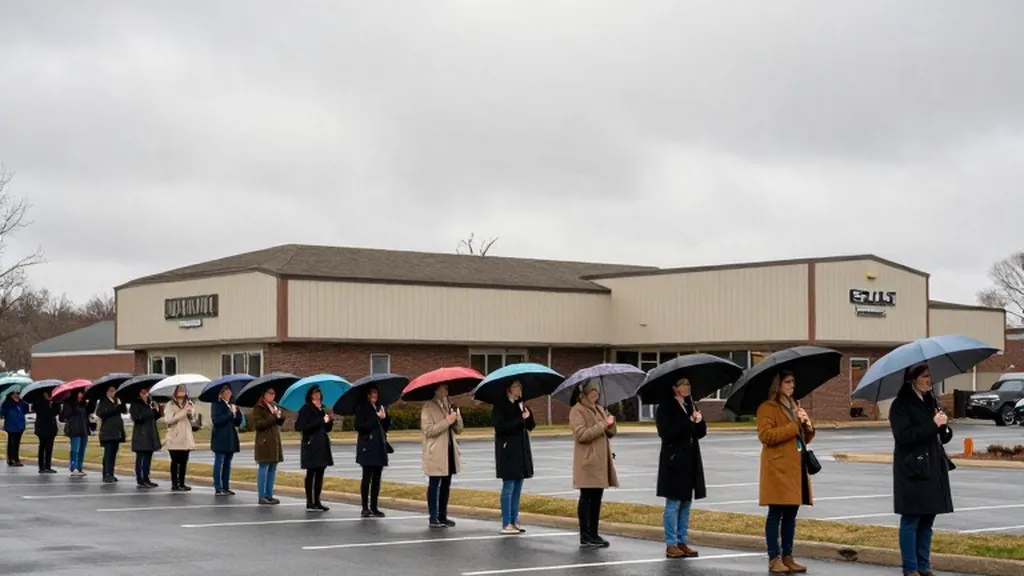
Voters in Arizona, Georgia, Nevada, Ohio, Pennsylvania, Wisconsin, Kansas, Michigan, New Hampshire, and Vermont cast ballots for governors on Election Day 2026.
By Imani Donovan ·
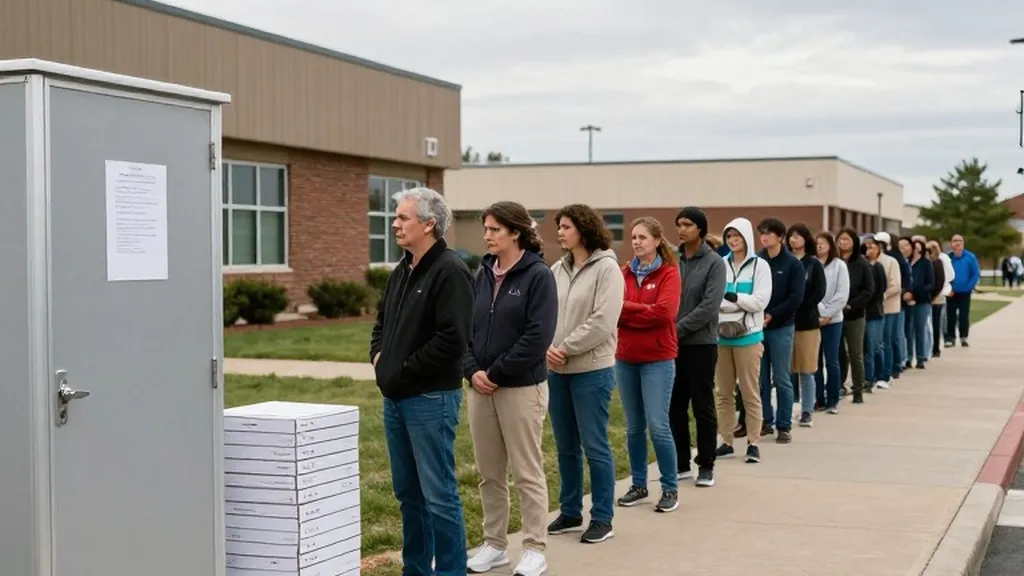
Election Day has arrived for voters in ten key states where the governorship is on the ballot. These races include Georgia, Nevada, Ohio, Arizona, Pennsylvania, Wisconsin, Kansas, Michigan, New Hampshire, and Vermont. According to Ballotpedia, thirty-six governorships are up for grabs nationwide, making this one of the largest governor elections in recent history. Republicans currently hold twenty-six governor's offices while Democrats hold twenty-four. Of the offices on the ballot, each party holds eighteen seats. The outcome will determine which party controls a majority of governorships, a position Republicans have held since 2010.
In Georgia, voters will decide between Republican Rick Jackson, a health care executive, and Democratic former Atlanta Mayor Keisha Lance Bottoms. They are vying to succeed Governor Brian Kemp, who is term-limited. The Associated Press identifies this as a high-profile contest in a state that President Donald Trump won in 2024. In Nevada, Republican Governor Joe Lombardo faces Democratic Attorney General Aaron Ford. Nevada is another state where the governor is seeking re-election or defending the seat, though the specific party holding the seat is not detailed in the named matchups list for Nevada beyond the candidates.
Ohio presents a distinct matchup featuring Republican Vivek Ramaswamy against Democrat Amy Acton. Ramaswamy’s campaign recently faced public attention due to an advertisement featuring Acton’s estranged mother, a detail noted by the Associated Press. Ohio is a state where the Democratic candidate is challenging a Republican incumbent or seeking to flip a seat. In Arizona, Democratic Governor Katie Hobbs is defending her seat. Arizona is one of five states where Democrats are defending governorships in states that Trump won in the 2024 presidential election. The other states in this category are Kansas, Michigan, and Wisconsin.
Pennsylvania features Democratic Governor Josh Shapiro on the ballot. He is also defending a Democratic-held governorship in a state that Trump won in 2024. This group of states represents a critical challenge for Democrats, who aim to hold a majority of governorships for the first time in two decades. Wisconsin also sees a Democratic incumbent defending the seat, contributing to the list of states where Democrats are trying to maintain their foothold in Trump-2024 states. The Associated Press notes that these races are part of a broader midterm landscape where control of statehouses influences national power.
Kansas is another battleground where a Democratic candidate is expected to challenge a Republican-held seat, though the specific names for the Kansas governor race are not detailed in the named matchups list provided by the AP and PBS for this specific angle. However, Ballotpedia lists Kansas as a governor battleground. In Michigan, the governorship is also up for election. Michigan is included in the group of states where Democrats are defending seats in areas that went to Trump in 2024. The Associated Press highlights Michigan as a key state for both the Senate and the governor’s race, with the Senate race featuring Republican former Rep. Mike Rogers and Democrat Abdul El-Sayed.
New Hampshire and Vermont present different dynamics. In New Hampshire, Republican Governor Kelly Ayotte is on the ballot. New Hampshire is one of two states where Republicans are defending governorships in states that Kamala Harris won in the 2024 election. Vermont is the other state in this category, with Republican Governor Phil Scott seeking to retain his office. These two races are significant because they represent Republican efforts to hold ground in states that leaned Democratic in the presidential election. The Associated Press does not list specific Democratic opponents for Ayotte and Scott in the named matchups section, but the races are confirmed as governor battlegrounds.
The mood in these states is influenced by the broader national sentiment. The Associated Press describes the election as a referendum on Trump’s second term, with voters struggling with high prices. AP-NORC polling indicates that 35% of U.S. adults approve of Trump’s job performance. This national context affects local races, as voters in these ten states weigh their preferences for the governor against their views on the federal government. The Associated Press notes that one or two seats could tip the balance of power in Congress, adding pressure to the governor races in these competitive states.
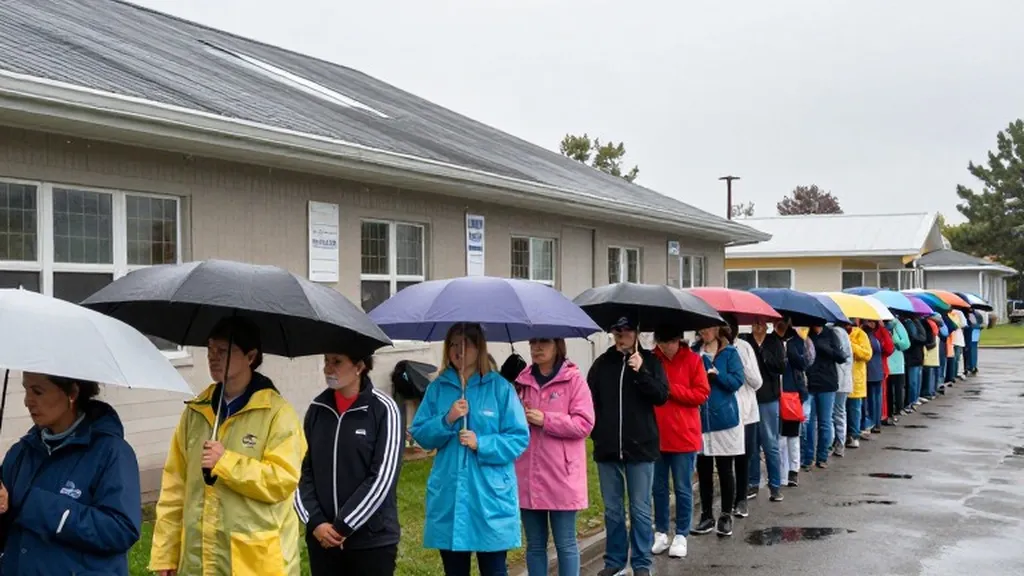
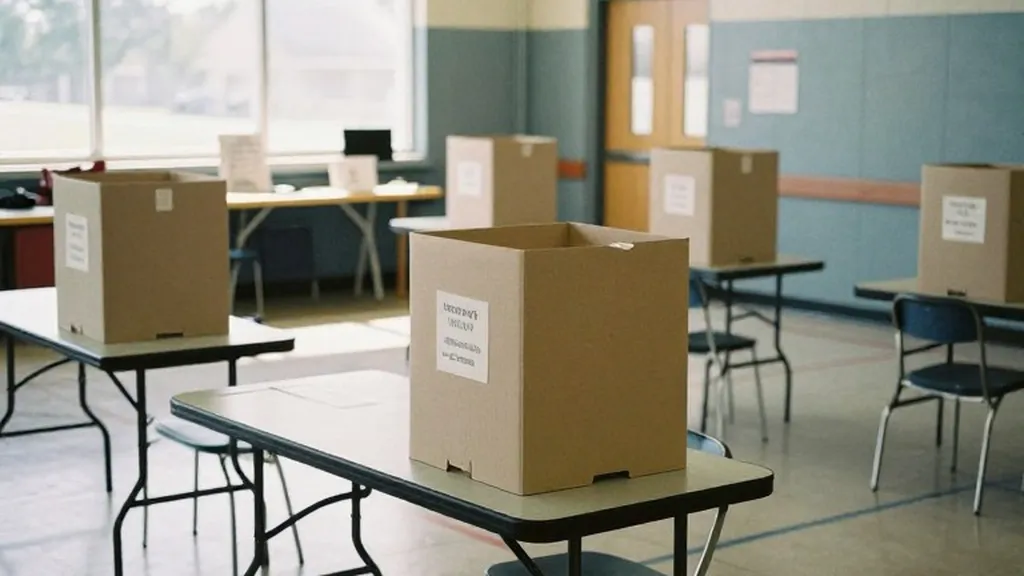
Voters in these states face specific polling hours. In Georgia, polls are open from 7 a.m. to 7 p.m. local time. Nevada polls open at 7 a.m. and close at 7 p.m., with much of the state voting by mail. Ohio polls open at 6:30 a.m. and close at 7:30 p.m. Arizona polls are open from 6 a.m. to 7 p.m. Pennsylvania polls open at 7 a.m. and close at 8 p.m. Wisconsin polls open at 7 a.m. and close at 8 p.m. Kansas polls open at 7 a.m. and close at 7 p.m. Central time. Michigan polls open at 7 a.m. and close at 8 p.m. New Hampshire polling hours vary by town, opening by 11 a.m. and closing no earlier than 7 p.m. Vermont polls open between 5 a.m. and 10 a.m. and close at 7 p.m., with voting largely by mail.
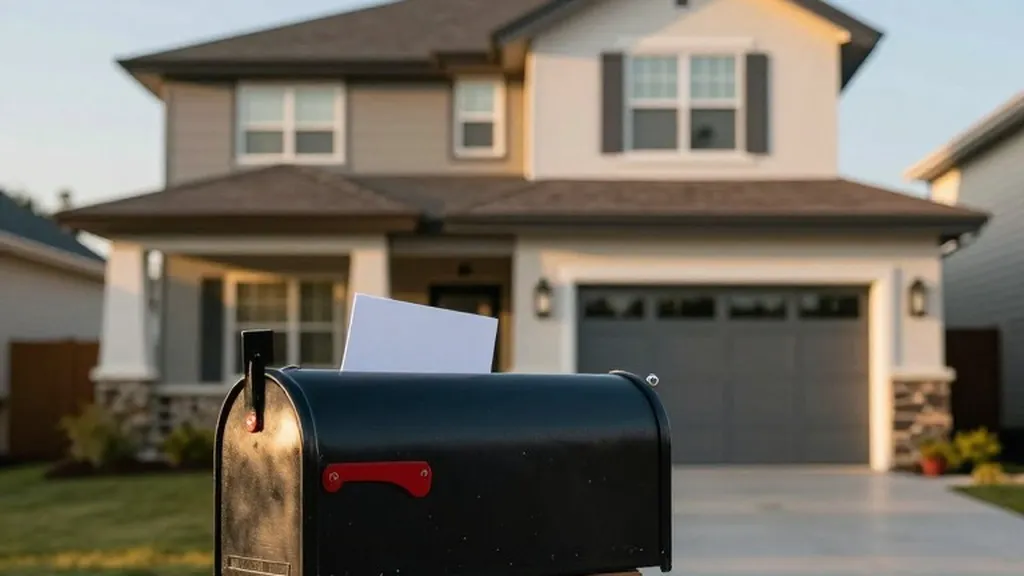
The administration of these elections has been subject to recent legal and logistical adjustments. The U.S. Postal Service added hours and staff to ensure mail ballots are counted on time, a measure that affects states like Nevada and Vermont where mail voting is prevalent. A federal judge temporarily barred the Trump administration from carrying out a plan to prevent noncitizen voting, a move that critics say risks disenfranchising eligible voters. This legal backdrop adds a layer of complexity to the voting process in all ten states. The Associated Press reports that more than 57 million people had already voted as of Monday, surpassing the early vote of four years ago in many closely watched states.