36 Governor Races: 18 to 18 Split, 19 Open Seats, 9 Battlegrounds
With 19 open governorships and a dead-even party split among current officeholders, voters will decide if Democrats can reclaim the majority they have lost since 2010.
By Emma Mehta ·
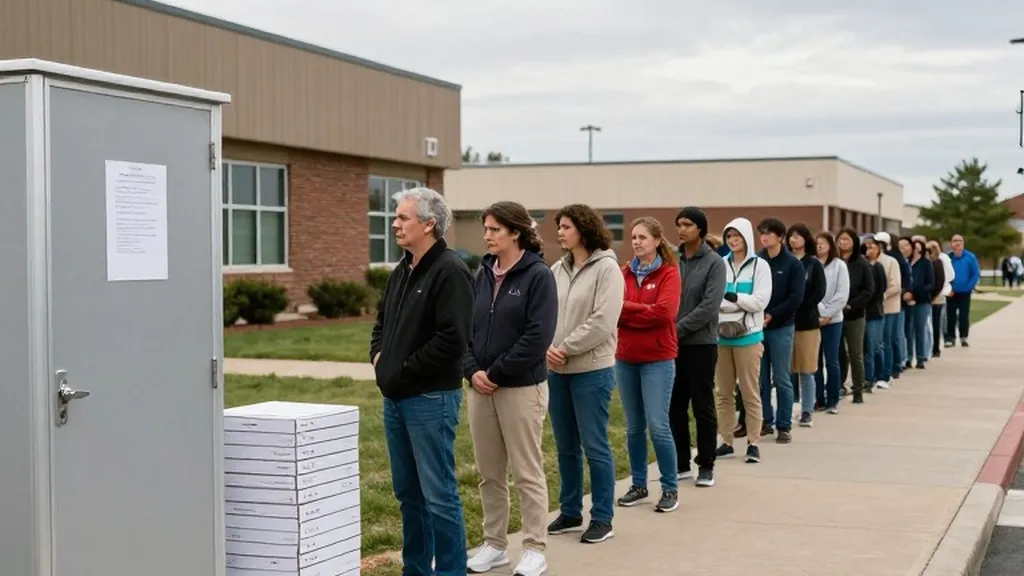
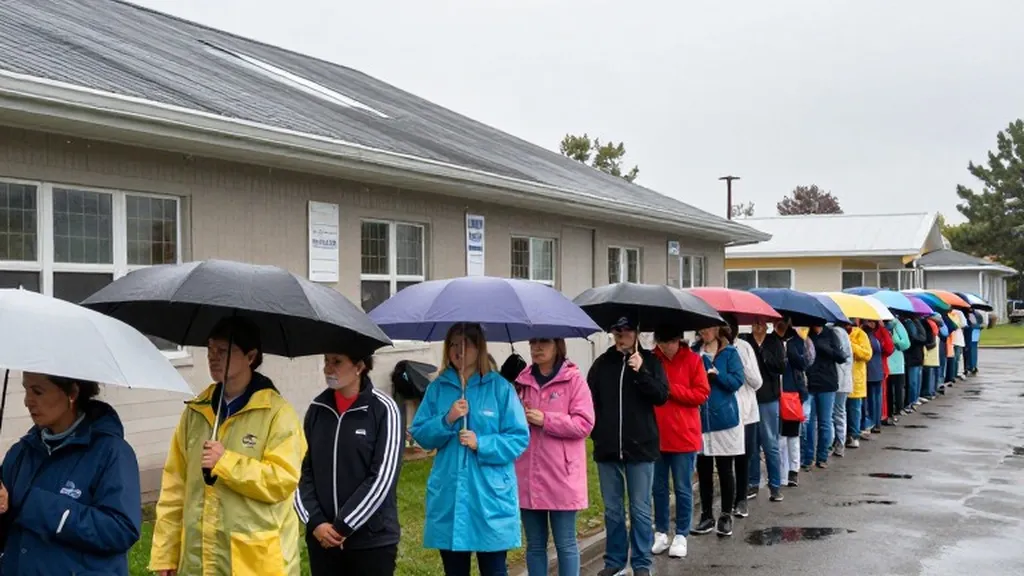
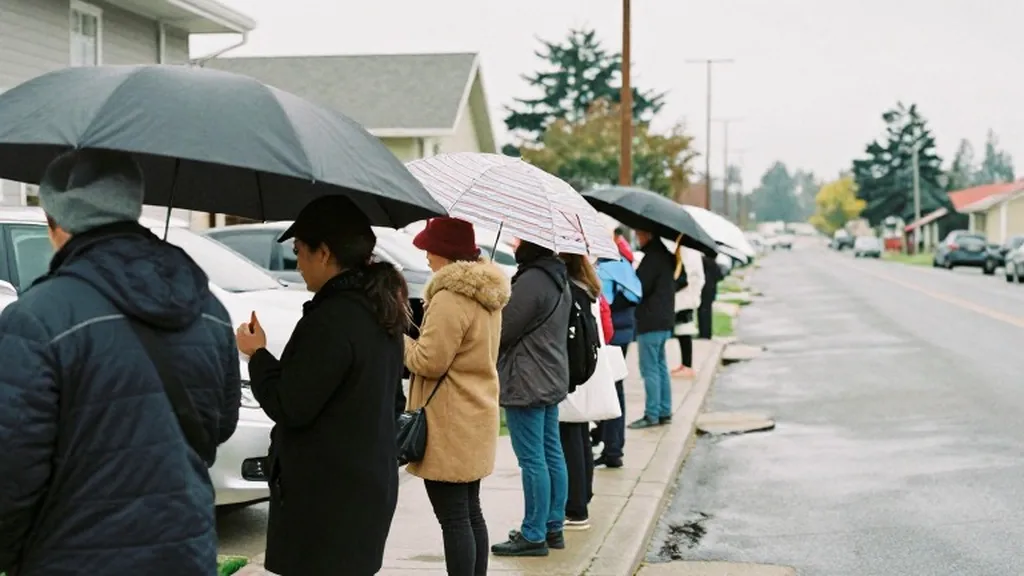
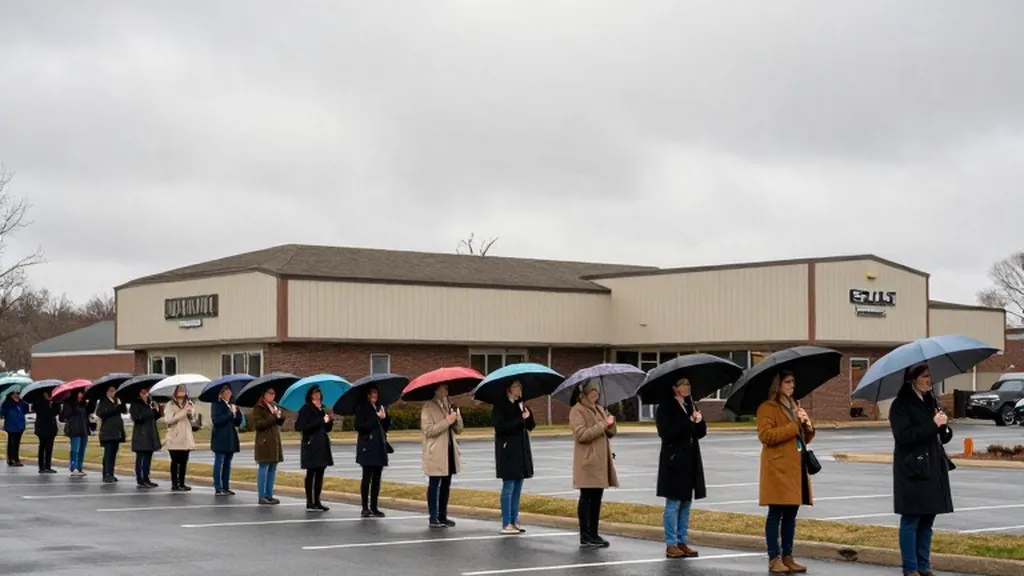
Voters across the United States are casting ballots on Tuesday, November 3, 2026, in a midterm election that determines the balance of power in statehouses and Congress. The Associated Press describes the day as a referendum on President Donald Trump's second term, with many citizens expressing frustration over high prices and the ongoing conflict with Iran. According to Ballotpedia, 36 governorships are on the ballot, representing a significant shift in the political landscape of state leadership. The outcome of these races will influence the direction of state policy and the composition of the executive branch in every state.
Before this election, Republicans held 26 governor's offices and Democrats held 24. However, among the specific offices currently on the ballot, the parties are evenly split with 18 seats held by each. This parity creates a high-stakes environment where small shifts in voting patterns can alter the national balance. Democrats require a net gain of two governorships to achieve a nationwide majority, a status they have not held since 2010. Republicans, conversely, must defend their current footing to prevent a change in the majority party controlling state governments.
Nine states are identified by Ballotpedia as governor's races that are battlegrounds. These include Alaska, Arizona, Georgia, Iowa, Kansas, Michigan, Nevada, Ohio, and Wisconsin. In these states, the margin of victory is expected to be narrow, and the campaigns have focused intensely on local economic concerns and national party loyalty. The Associated Press and PBS NewsHour have highlighted several key matchups, noting that economic strain and tariff policies have made states like Maine and others more competitive than in previous cycles.
Nineteen of the 36 races feature no incumbent on the ballot. This large number of open seats is driven by term limits and voluntary retirements. Fifteen governors are term-limited, while three others chose not to run again. Kim Reynolds of Iowa, Tim Walz of Minnesota, and Tony Evers of Wisconsin opted out of seeking re-election. Additionally, Daniel McKee of Rhode Island lost his primary contest. These open seats provide opportunities for challengers to enter the race without facing the advantage of incumbency, such as name recognition and established fundraising networks.
Democrats are defending five governorships in states that Trump won in 2024. These include Arizona, where Katie Hobbs seeks re-election, as well as Kansas, Michigan, Pennsylvania, and Wisconsin. In Pennsylvania, Josh Shapiro is running for another term. Republicans are defending two governorships in states that Kamala Harris won in 2024. Kelly Ayotte is running in New Hampshire, and Phil Scott is seeking re-election in Vermont. These cross-ideological defenses add complexity to the national narrative, as candidates from one party must hold ground in states that recently favored the other party's presidential nominee.
Named matchups in the governor's races include Georgia, where Republican health care executive Rick Jackson faces Democratic former Atlanta Mayor Keisha Lance Bottoms. This race will determine the successor to Brian Kemp. In Nevada, Republican Governor Joe Lombardo is challenging Democratic Attorney General Aaron Ford. In Ohio, Republican Vivek Ramaswamy is running against Democrat Amy Acton. Ramaswamy's campaign has faced public scrutiny following an advertisement featuring Acton's estranged mother. The Associated Press also identifies Texas, Florida, and Iowa as competitive governor's races, though they are not included in the primary list of nine battlegrounds for this specific analysis.
The Associated Press reports that the 2026 elections are likely to be the most expensive in history. Republican committees have outraised and outspent Democratic committees, aided by groups affiliated with President Trump and Elon Musk. However, at the candidate level, Democrats have outraised their opponents. An analysis of AdImpact data by the AP shows that 88.1% of Republican general election television ad spending went to states and districts that Trump won in 2024. This includes more than 850 million dollars spent in areas where he won by 10 points or more, suggesting a strategy to consolidate support in reliable Republican areas.
Party leaders on both sides have outlined their strategies for the day. Republican National Committee Chairman Joe Gruters stated that everything depends on turnout, asserting that if their voters turn out, they will win. Democratic Congressional Campaign Committee Chair Rep. Suzan DelBene said the American people are angry and want change. These statements reflect the differing perceptions of the electorate's mood. Voter Mark Barker of Palm Beach Gardens, Florida, expressed support for the President, while James Moore, a librarian in Raleigh, North Carolina, cited rising taxes and health care costs as reasons for his vote.
The administration of the election has drawn attention due to legal challenges. A federal judge temporarily barred the Trump administration from implementing a plan intended to prevent noncitizen voting. Critics argued that this action risked disenfranchising eligible voters and infringed on state authority. Another judge ordered the administration to stop demanding that California election officials segregate ballots cast by people on lists of suspected noncitizens. The U.S. Postal Service added hours and staff to ensure mail ballots are counted on time. These administrative measures aim to ensure the integrity and efficiency of the voting process across the country.
Voters are heading to polling places with a range of local and national issues in mind. The Associated Press notes that about 7 in 10 adults say the country is heading in the wrong direction, and 35% approve of President Trump's job performance. More than 57 million people had already voted as of Monday, surpassing early vote totals from four years ago in many states. The results of the 36 governor's races will be closely watched as they provide an immediate indicator of the public's response to the current political leadership. The final tallies will determine which party controls the majority of state governments in the coming years.