Protesters demand truth about 2023 attacks as Israel heads to the polls
Thousands gathered in Tel Aviv to press for an independent inquiry into the October 7 security failures, setting the stage for a closely contested election.
By Imani Donovan ·
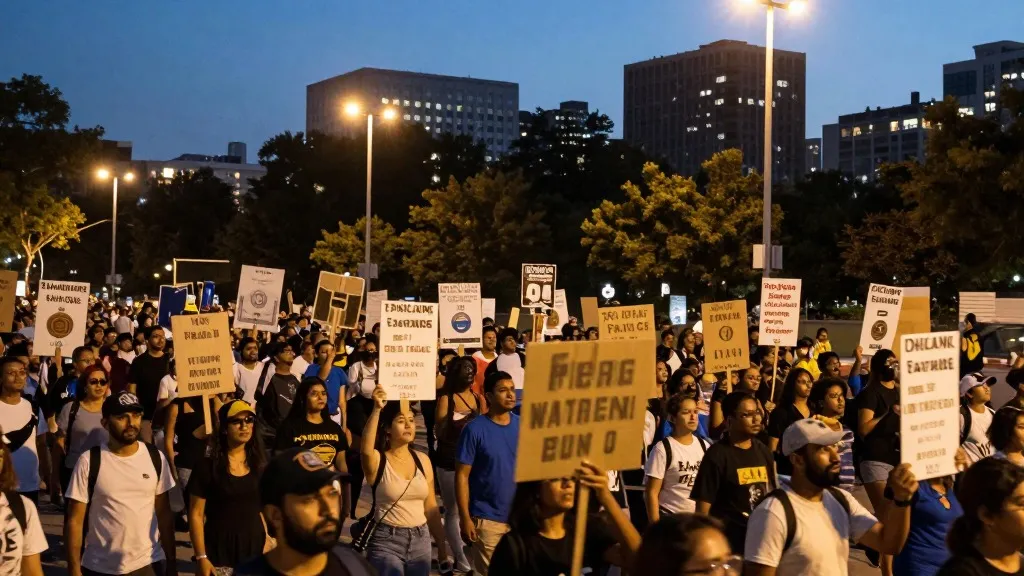
Thousands of demonstrators filled Hostages Square in Tel Aviv on Saturday, demanding an independent investigation into the security lapses that allowed the October 7, 2023, attacks to occur. This major rally took place just three days before Israel holds its first general election since the war in Gaza began. The event serves as a culminating moment for families of captives taken to Gaza, who have spent the last three years pushing for governmental accountability.
The primary driver of the protest is the October Council, a group formed by the families of those held captive. They argue that the current government failed to prevent the Hamas assault that triggered the conflict. The organization stated that the rally marks the peak of their struggle to uncover the truth and establish a state commission of inquiry. Their goal is to ensure that officials deemed responsible for the events are held to account and that justice is delivered to affected families.
High-profile opposition figures joined the crowds, signaling a united front against the incumbent administration. Gadi Eisenkot, the leader of the Yashar party and the main center-right rival to Prime Minister Benjamin Netanyahu, was a prominent attendee. He was greeted by chants identifying him as the next prime minister. Yair Golan, who leads the Democrats party, also participated. Lawyer Dan Adin described the scene as a surge of energy, noting that the crowd flowed from Rabin Square to the protest site and declaring that the moment belonged to the opposition.
The timing of the demonstration coincides with a highly competitive election environment. Recent polls indicate a tight race between Netanyahu’s right-wing bloc, which has been in power since late 2022, and Eisenkot’s coalition. Neither side is currently projected to secure a majority of seats in the Knesset. This political deadlock makes the outcome uncertain and heightens the stakes for voters who are weighing domestic security against foreign policy directions.
The election results may also influence Israel’s military posture toward Iran. Eisenkot is viewed as less inclined to resume strikes against Tehran if he becomes prime minister, a potential shift from the current administration’s strategy. However, the major parties remain largely aligned on other foreign policy issues, particularly their opposition to the creation of an independent Palestinian state. The vote could therefore determine whether Israel launches another round of strikes on Iran.
Tensions were anticipated before the event began, as the October Council warned law enforcement about potential disruptions. The group sent an urgent letter to the Police Commissioner following alerts that entities linked to the ruling coalition might attempt to provoke the crowd. Despite these concerns, the gathering proceeded as a significant display of public pressure on the eve of a pivotal national vote.
Source: Al Jazeera
More Politics · World news · Report a business · Got a Story?