Your practical guide to voting in 435 races and 35 Senate seats today
With polls open across the country, here is how to verify your hours, ID requirements, and mail ballot status before you head to the booth.
By Emma Mehta ·
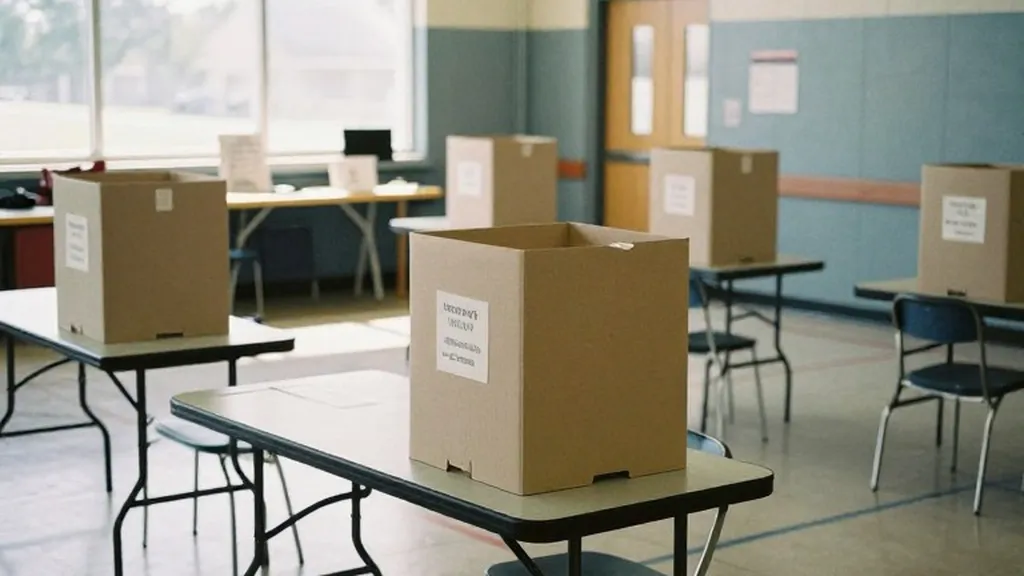
Voters across the United States are casting ballots on Election Day, Tuesday, November 3, 2026, to decide the control of Congress for the final two years of President Donald Trump's second term. The Associated Press describes the day as a referendum on the president's performance, with many citizens citing high prices and an unpopular war with Iran as primary motivators. All 435 seats in the U.S. House of Representatives are up for election, along with 35 seats in the U.S. Senate. The results will determine whether Democrats can secure a majority in either chamber to launch investigations and oversight proceedings.
Before leaving home, voters should verify their specific polling location using the federal website vote.gov or their local state election office. While the site provides a general framework, individual states maintain different schedules. For example, New York State polls open at 6 a.m. and close at 9 p.m., whereas New Hampshire varies by town, with polls opening by 11 a.m. and closing no earlier than 7 p.m. In states like Vermont, polling places may open as early as 5 a.m. and close at 7 p.m. Voters in Texas and Florida generally have a 12-hour window, opening at 7 a.m. and closing at 7 p.m.
Identification rules vary significantly by state, making it essential to check specific local requirements before arriving at the polling place. Some states require a government-issued photo ID, while others accept non-identification ballots if the voter signs an affidavit. The federal government has not established a single national ID rule, leaving the decision to state legislatures and election officials. Voters who are unsure of their specific state's requirements should consult their local election office website or call their local election hotline to avoid delays at the booth.
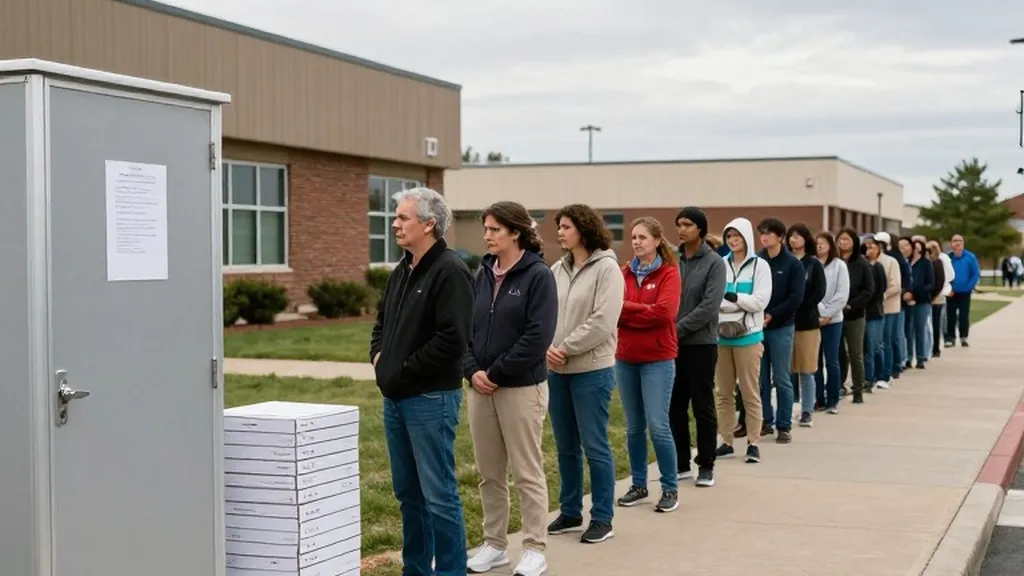
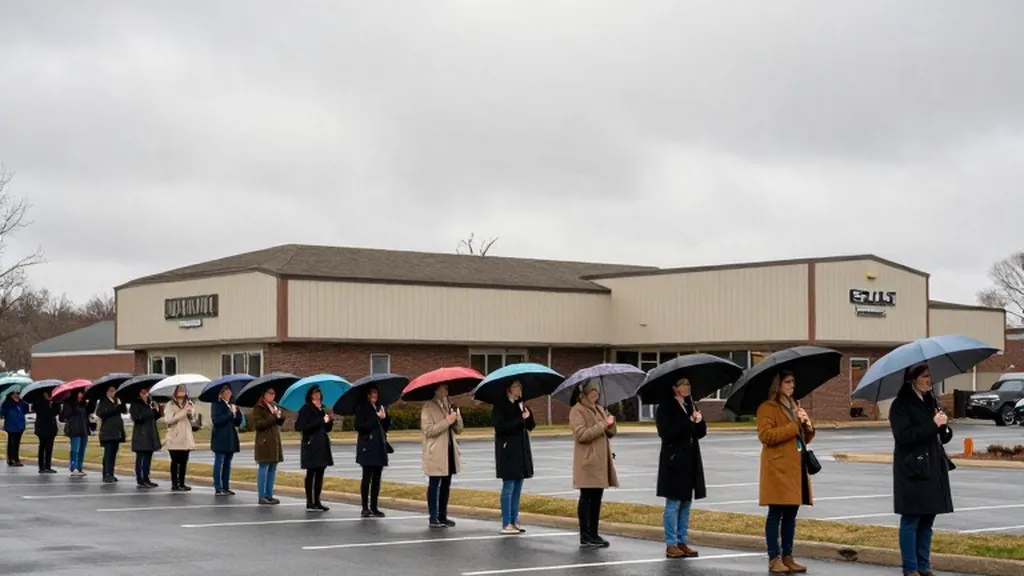
Staying in line is a critical part of the voting process, as anyone in line when polls close is legally entitled to cast their vote. This rule ensures that latecomers who arrive just after the closing time are not disenfranchised if they were already waiting. In states with long lines, such as parts of New Jersey or Pennsylvania, voters may wait well past the official closing time. The Associated Press notes that more than 57 million people had already voted as of Monday, surpassing early vote totals from four years ago in many closely watched states, which may reduce the length of lines at some locations but not all.
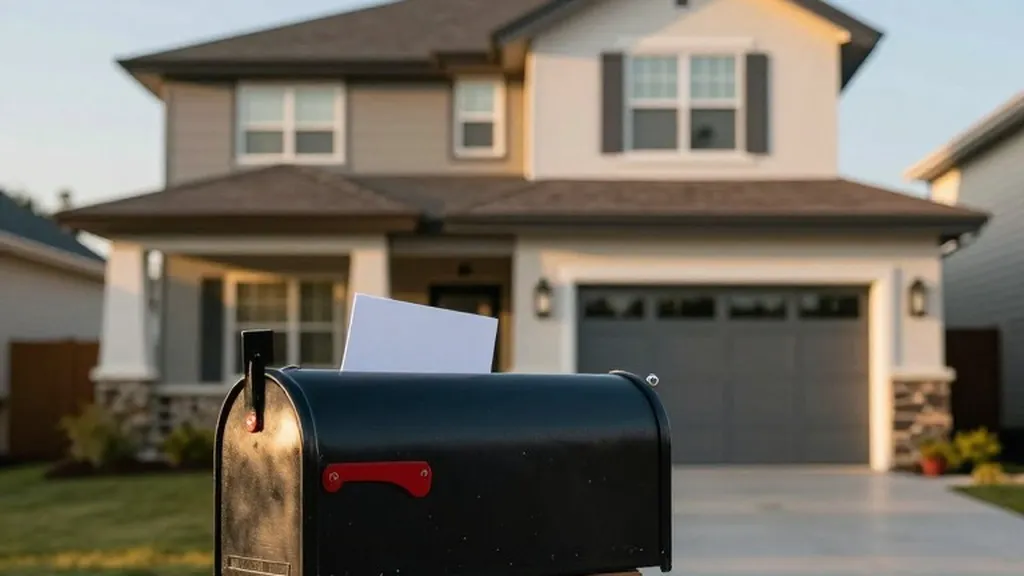
Mail-in and absentee voting remain a significant component of the election in several states, including California, Colorado, Oregon, Utah, and Washington. These states rely heavily on mail ballots, and the U.S. Postal Service has added extra hours, staff, and special lines to ensure that mail ballots are counted on time. In California, where the election is largely conducted by mail, voters do not need to go to a physical polling place if they have already mailed their ballot. However, voters in these states can still drop off their mail ballots at designated locations if they have not yet sent them through the mail.
The U.S. Senate races are particularly competitive in states such as Georgia, Michigan, and Kansas. In Georgia, Democratic Senator Jon Ossoff is facing Republican Representative Mike Collins in a state that voted for President Trump by a margin of 2.2 points in 2024. In Michigan, the open seat is being contested by Republican former Representative Mike Rogers and Democrat Abdul El-Sayed. Ballotpedia rates these races as toss-ups or leaning Democratic, highlighting the tight margins that will determine Senate control. Democrats need a net gain of four seats to secure a majority, while Republicans can afford to lose only two.
Governor races are also pivotal, with 36 governorships on the ballot. Democrats currently hold 24 governorships, and Republicans hold 26. In states like Arizona and Michigan, Democrats are defending incumbent governors in states that voted for President Trump in 2024. In Ohio, Republican Vivek Ramaswamy is running against Democrat Amy Acton. The Associated Press notes that Republicans have held a nationwide majority of governorships since 2010, making this election a potential turning point for state-level executive power.
Financial stakes are high as well, with the 2026 elections likely to be the most expensive in history. According to the Associated Press, Republican committees outraised and outspent Democratic committees, aided by Trump-affiliated groups and significant contributions from Elon Musk. However, at the candidate level, Democrats outraised their opponents. This spending disparity reflects the intense competition for both chambers of Congress and the governorships that will shape policy in the coming years.
As polls close across the country, voters in battleground districts are making their final decisions. The results will not be known immediately in all states, but the outcome will determine the direction of the federal government for the next two years. Whether Democrats achieve their goal of a net gain in the House and Senate, or Republicans hold their ground, the election will set the stage for the remainder of President Trump's term and the 2028 presidential race.
The election also has implications for the broader economy, with Wall Street watching for signals on debt ceiling negotiations and AI spending. Reuters reports that the results could add to investor concerns, particularly if the political landscape shifts significantly. As voters cast their ballots today, they are not only choosing their representatives but also influencing the economic and political stability of the nation in the months to come.